

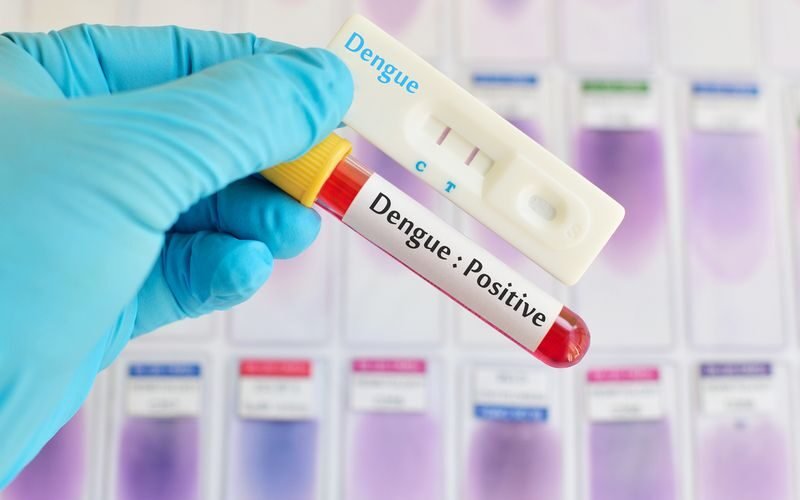
New Delhi (Gurpreet Singh): Individuals living with Type 2 diabetes face a significantly elevated risk of developing severe, life-threatening complications from dengue fever, according to a newly released review paper compiled by leading medical specialists. The comprehensive paper, scheduled for publication in the International Journal of Diabetes & Technology, strongly advocates for the integration of dengue vaccination into routine diabetes care protocols to safeguard vulnerable groups residing in dengue-endemic regions. The critical findings of the study were formally shared with the media on Sunday.
Led by prominent diabetologist Dr. Jothydev Kesavadev, the review was co-authored by several leading diabetes experts from across the nation, alongside Dr. Niti Pall, the President-Elect of the International Diabetes Federation, Europe. The research was recently presented at the 14th Jothydev’s Professional Education Forum Annual Global Diabetes Convention hosted in Kovalam. The official publication was subsequently released by Kerala Health Minister K. Muraleedharan.
The authors explained that persistently elevated blood sugar levels systematically impair immune functions and weaken blood vessels, rendering diabetic patients highly susceptible to aggressive dengue infections. The medical experts warned that these individuals are prone to developing an exaggerated inflammatory response, widely known as a “cytokine storm.” This reaction can rapidly escalate into severe medical conditions, including dengue haemorrhagic fever, extensive internal bleeding, and potentially fatal dengue shock syndrome, which is characterized by a dangerous drop in blood pressure.
To mitigate these severe outcomes, the review highlights the importance of incorporating preventive vaccination into ongoing chronic disease management. Integrating infectious disease prevention with routine diabetes care holds the potential to substantially decrease hospitalization rates and severe illness during regional outbreaks. The authors concluded that bridging the gap between chronic disease control and viral prevention could dramatically improve public health outcomes for millions of diabetic patients living in areas where mosquito-borne infections remain a persistent threat.
