

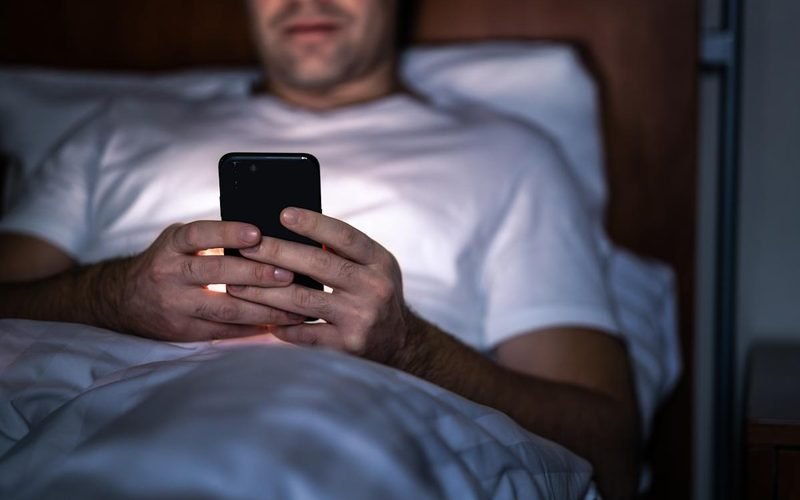
New Delhi (Gurpreet Singh): The plan to check your phone for five minutes before sleeping can easily turn into half an hour of scrolling. One video leads to another, messages need replies, and suddenly it is much later than expected. While this has become a familiar part of many people’s bedtime routines, using a phone late at night may interfere with sleep in more ways than simply keeping you awake.
The impact depends on how long you use your phone, what you are watching and how sensitive you are to light and stimulation before bed. However, sleep experts recommend creating a break between screen use and bedtime, particularly for people who struggle to fall asleep or wake up feeling tired.
How Does Scrolling Before Bed Affect Sleep?
1. Screen Light May Delay Your Body’s Sleep Signals
Your body’s internal clock responds to light and darkness. Bright light in the evening, including light from electronic screens, can signal alertness and interfere with the normal transition towards sleep.
The effect depends on factors such as screen brightness, exposure duration and the timing of use. Blue light is one part of the picture, but it is not the only reason late-night phone use may affect sleep.
The US Centers for Disease Control and Prevention (CDC) recommends turning off electronic devices at least 30 minutes before bedtime as part of healthy sleep habits.
2. Endless Scrolling Can Push Your Bedtime Later
One of the most straightforward problems with late-night scrolling is that it can take time away from sleep.
Social media feeds, short videos and online conversations are designed to keep users engaged. When you continue watching content instead of getting ready for bed, your actual sleep time may shrink, especially if you have to wake up at a fixed hour.
Even if you eventually fall asleep without difficulty, repeatedly delaying bedtime can make it harder to get enough rest.
3. Emotional Content Can Keep Your Mind Active
Not all screen time has the same effect. Watching a relaxing video is different from reading upsetting news, getting into an online argument or checking work messages just before bed.
Emotionally charged content can leave you thinking about what you have seen long after putting your phone away. That mental stimulation may make it more difficult to relax and settle down for sleep.
This is why a calmer pre-sleep routine can be useful, particularly for people who already have trouble switching off at night.
4. Phone Notifications Can Interrupt Your Rest
Putting your phone down does not necessarily mean you have stopped interacting with it. Calls, messages and app notifications can interrupt your routine or wake you during the night.
Keeping the device within reach may also encourage you to check the time or open another app whenever you wake up.
Silencing non-essential notifications and placing your phone away from the bed can help reduce these interruptions.
How Can You Break The Habit Of Scrolling Before Bed?
You do not necessarily need to give up your phone completely. Small, consistent changes may help make your bedtime routine more sleep-friendly.
- Set a screen cut-off: Start by putting your phone away at least 30 minutes before bed.
- Reduce brightness: If you must use a device in the evening, lower its brightness and avoid unnecessarily bright lighting.
- Disable non-essential notifications: Use Do Not Disturb or a similar setting to reduce interruptions.
- Replace scrolling with a calmer activity: Try reading a printed book, listening to quiet audio or preparing for the next day.
- Keep a consistent sleep schedule: Going to bed and waking up at roughly the same time can support a regular sleep routine.
Adults aged 18–60 are generally advised to get at least seven hours of sleep each night, according to the CDC. Sleep quality matters too: regularly taking a long time to fall asleep, waking repeatedly or feeling tired despite spending enough time in bed may indicate a problem worth discussing with a healthcare professional.
Should You Stop Using Your Phone Before Bed?
The goal is not to treat every instance of nighttime screen use as harmful. Instead, pay attention to whether scrolling regularly delays your bedtime, leaves you feeling alert when you want to sleep or contributes to tiredness the next day.
If you find yourself repeatedly losing track of time, try a phone-free period before bed for a week and observe whether your sleep routine changes.
A few minutes of scrolling may seem harmless, but when those minutes regularly turn into an hour, the bigger issue may be the sleep time you lose. Establishing a clear boundary between screen time and bedtime can be a practical first step towards more consistent rest.
