

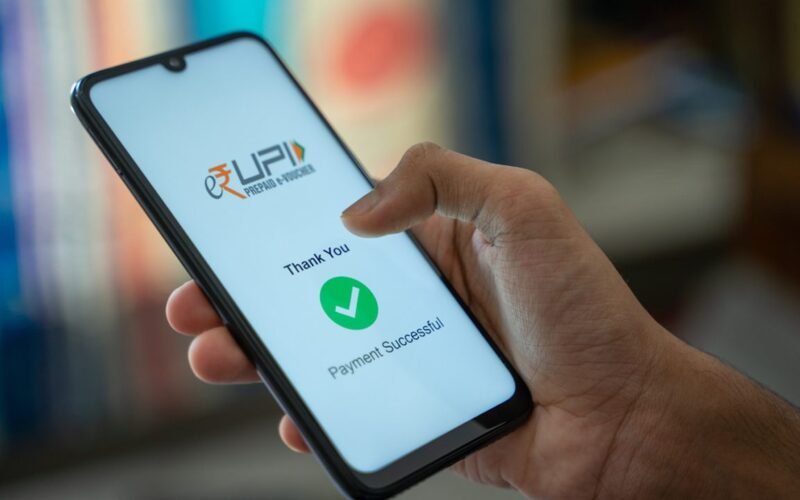
New Delhi (Gurpreet Singh): Retail and apparel industry bodies have raised serious concerns over the government’s decision to levy a 0.4 per cent Merchant Discount Rate (MDR) on Unified Payments Interface (UPI) transactions exceeding ₹2,000, warning that the added operational expense could stall digital adoption and push small retailers back toward cash transactions ahead of the peak festive shopping season. The new fee structure, which marks the end of nearly six years of fully zero-MDR payments on UPI, is scheduled to take effect on October 15. While ordinary person-to-person transfers and low-value transactions below ₹2,000 remain completely exempt, the cost burden will fall directly on commercial merchants.
The Retailers Association of India (RAI) highlighted that the levy, capped at ₹300 for payments of ₹75,000 and above, directly threatens micro, small, and medium enterprise (MSME) retailers operating on paper-thin profit margins. RAI Chief Executive Officer Kumar Rajagopalan cautioned that the move provides a direct incentive for shopkeepers to steer consumers toward paper currency, potentially reversing years of progress made under the national push for digital payments. The association pointed out that a retreat to cash counteracts the government’s formalization agenda, as non-digital transactions fall outside the formal GST reporting framework. Rajagopalan also argued that direct bank-to-bank UPI transfers function like digital debit transactions without interchange risks, meaning operational network costs should be underwritten by the government or the Reserve Bank of India rather than passed down to merchants.
Echoing these apprehensions, Clothing Manufacturers Association of India (CMAI) President Santosh Katariya noted that the timing of the MDR rollout creates severe headwinds for consumer-facing businesses striving to revive sales volume and rebuild profitability. Katariya emphasized that digital payment acceptance requires incentives rather than added costs during the industry’s most vital sales window. RAI announced plans to formally petition the Ministry of Finance and the National Payments Corporation of India (NPCI) to advocate for a differentiated, tiered fee structure that treats debit-linked transfers separately from credit-backed transactions while preserving protections for small vendors.
