

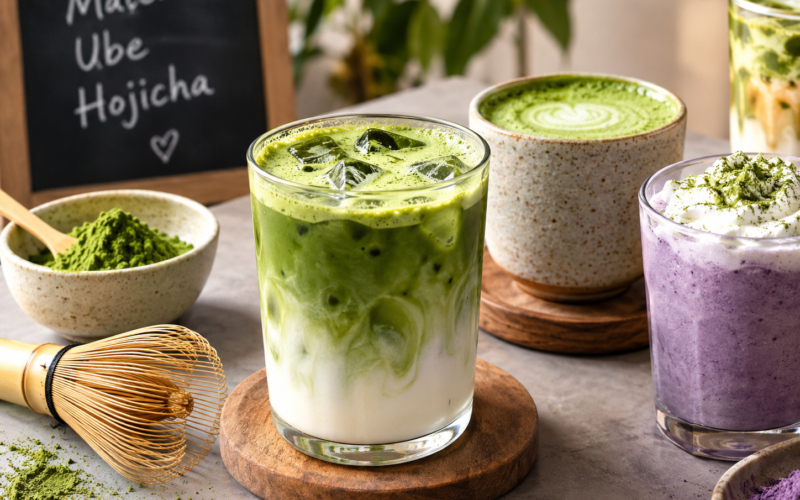
Chandigarh (Gurpreet Singh): Matcha is no longer confined to aesthetic café menus and Instagram-worthy drinks. The Japanese green tea powder is increasingly finding a place in Indian homes, with growing interest in how to prepare it, what it tastes like and how it can become part of everyday beverage routines.
Recent Google Trends data cited in a report shows searches for “how to make matcha” in India have jumped 1,300% over the past year. The rise comes as Indian consumers experiment with beverages beyond traditional tea and coffee, while cafés and social media continue to introduce global drink trends to a wider audience.
Why Is Matcha Becoming Popular In India?
One reason behind matcha’s popularity is its versatility. While traditional matcha is prepared by whisking the powdered tea with water, it is increasingly being used in lattes and other cold and flavoured drinks.
The drink has also benefited from the wider popularity of café culture, where presentation is often as important as taste. Its distinctive green colour has made matcha particularly popular among younger consumers looking for new beverage experiences.
But the trend is moving beyond cafés. More people are now searching for ways to prepare matcha at home, suggesting that curiosity around the drink is turning into a regular consumption habit.
Matcha Is Not The Only Global Drink Trend
The changing Indian beverage landscape is not limited to matcha. Other Japanese and global flavours are also attracting attention.
Hojicha, a roasted Japanese green tea, and ube, a purple yam-based flavour popular in Filipino cuisine, have also seen increased interest. Some consumers are experimenting with combinations such as ube matcha, creating drinks that combine familiar café formats with less familiar international flavours.
This reflects a broader shift in how younger Indian consumers discover food and beverages. Social media can introduce a product, but repeated searches, home recipes and café menus can help turn a viral item into a lasting lifestyle habit.
Is Matcha Replacing Coffee?
Not necessarily.
For many consumers, matcha is becoming another option rather than a complete replacement for coffee or chai. Its appeal comes partly from the experience around it — from the preparation ritual and distinctive flavour to the visual appeal of the finished drink.
The growing interest also suggests that India’s beverage culture is becoming more experimental. Traditional chai and coffee remain deeply established, while newer drinks are being added to the mix.
How Are Indians Drinking Matcha?
The simplest preparation involves whisking matcha powder with water. However, matcha lattes have become one of the most accessible ways for new consumers to try it.
Cold versions, flavoured combinations and drinks incorporating ingredients such as milk and syrups have also helped make matcha more approachable for people who may find traditional preparation unfamiliar.
The growing interest in authentic matcha tools, including the traditional bamboo whisk, also points towards consumers becoming more interested in the preparation process rather than simply ordering a finished drink.
What Does The Matcha Trend Say About Indian Lifestyle?
The matcha boom is part of a larger change in India’s urban food and beverage culture. Consumers are increasingly exposed to international flavours through travel, social media, cafés and online recipes.
What begins as a visual or social-media trend can eventually become part of a person’s daily routine. Matcha appears to be moving in that direction, shifting from a niche café order to something consumers are actively learning to prepare at home.
For now, the green drink’s biggest appeal may be its ability to combine novelty, ritual and personalisation — three things that increasingly shape the way younger consumers approach everyday food and beverages.
