

Washington (Rajeev Sharma): Tensions between the United States and Iran have flared again after American forces struck Iranian rocket launchers positioned near the Strait of Hormuz. The operation marks the first confirmed US military strike against Iran in several weeks and has ended a period of relative calm in the conflict.
US Central Command spokesperson Tim Hawkins said members of Iran’s Revolutionary Guard were preparing to launch rockets and place sea mines in the strategic waterway when the American military carried out the attack. The US had recently completed efforts to remove mines from international shipping routes through the strait.
Iranian media reported explosions in the vicinity of Larak Island. The Islamic Revolutionary Guard Corps also acknowledged that the attack resulted in deaths and injuries among its personnel and other people.
Tehran Warns of Retaliation
Iran has strongly condemned the American operation and warned that Washington would face consequences.
Iranian state television later broadcast footage showing what it described as ballistic missiles being launched towards US military installations in Jordan. Jordan’s military said it intercepted eight missiles that entered its airspace during the early hours of Monday.
The exchange has raised concerns that the conflict could once again expand across the Gulf region. Iran has previously targeted American military facilities and infrastructure in Gulf nations during the ongoing confrontation.
US Strategy Had Shifted to Sanctions
The latest strike comes at a time when Washington had indicated a preference for using economic pressure instead of military force to bring Tehran back towards negotiations.
The Trump administration has been considering tougher measures against governments, businesses and other entities that continue to trade with Iran.
The change in approach has also been linked to concerns over US military stockpiles following months of sustained combat operations. A prolonged campaign could put additional pressure on American weapons supplies and affect military preparedness for other potential conflicts.
President Donald Trump has previously suggested that Iran’s leadership and military capabilities have suffered severe losses during the war. Iranian officials, however, have continued to reject claims that the country is ready to back down.
Hormuz Becomes Key Battleground
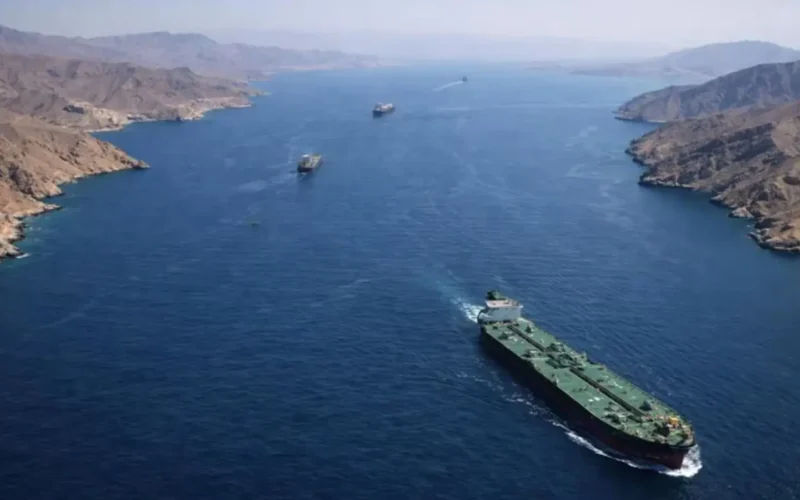
The Strait of Hormuz remains central to the confrontation because of its importance to international energy supplies. Around 20% of the world’s oil typically moves through the waterway.
Shipping activity has fallen considerably since the conflict began, with many commercial vessels avoiding the route because of security concerns.
The latest American operation also pushed crude prices higher. US oil gained 1.8% to $84.94 per barrel, while Brent crude increased 1.9% to $89.79.
Iran has maintained that Washington’s access to the waterway should remain restricted unless the US meets its commitments under an understanding reached in June. Tehran has also sought to use the strait as leverage in the wider confrontation.
Commercial Traffic Still Below Normal
Despite repeated assertions from Trump that the waterway remains open, commercial traffic is nowhere near its pre-war level. The US president said 24 vessels crossed the strait during the previous week, compared with an estimated 130 vessels passing through each day before the conflict.
A multinational maritime coalition operating under US Navy oversight has also described shipping activity as reduced.
Separately, the UK Maritime Trade Organisation reported that an unidentified projectile hit a tanker north of Khasab in Oman. There were no reported casualties or environmental damage, and no immediate group claimed responsibility.
The US military said it had redirected 83 commercial vessels and disabled three vessels as part of its blockade of Iranian ports.
With military action resuming and Tehran promising a response, attention is now focused on whether the latest exchange remains limited or develops into another wider confrontation across the Gulf.
