

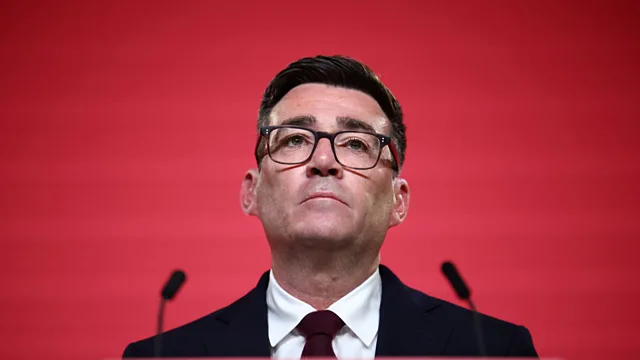
London (International News Desk): Andy Burnham is poised to become Britain’s 59th Prime Minister on Monday, capping off a remarkable political trajectory defined by strategic patience and calculated risks. The 56-year-old former Mayor of Greater Manchester enters 10 Downing Street following the abrupt resignation of Keir Starmer after just two years in office. Burnham’s rapid ascent to the top of national politics comes only a month after he successfully returned to Parliament by winning a high-stakes special election in the Manchester-area district of Makerfield.
Born in Liverpool and raised in a working-class Catholic family, Burnham transitioned from a career in trade journalism to political research before being elected as the Member of Parliament for Leigh in 2001. He previously served in the cabinets of Tony Blair and Gordon Brown, holding high-profile portfolios including health secretary and culture secretary. A formative moment in his early career came in 2009 when he championed the families of the Hillsborough Stadium disaster victims, successfully pushing for a new inquest and systemic accountability reforms for public officials.
In 2017, Burnham left Westminster to run for Mayor of Greater Manchester, a move that redefined his political brand. During his tenure, he pioneered an approach known as “Manchesterism,” a business-friendly model of socialism that combined public and private investment to revitalize local infrastructure, housing, and transit systems. He earned the moniker “King of the North” during the COVID-19 pandemic for his vocal opposition to the central government’s regional policies, cementing his reputation as a defender of northern interests.
As he prepares to assume office, Burnham has promised to implement a new political approach centered on unity and regional empowerment, including plans to establish a secondary prime ministerial office in Manchester. However, political analysts note that the incoming leader faces immediate challenges, including a sluggish national economy, strained public services, a persistent cost-of-living squeeze, and limited direct experience in complex foreign policy matters.
