Prime Minister

Arvind Kejriwal Announces August 4 March to Prime Minister’s Residence With 2 Lakh E20 Petitions

Arvind Kejriwal Announces August 4 March to Prime Minister’s Residence With 2 Lakh E20 Petitions

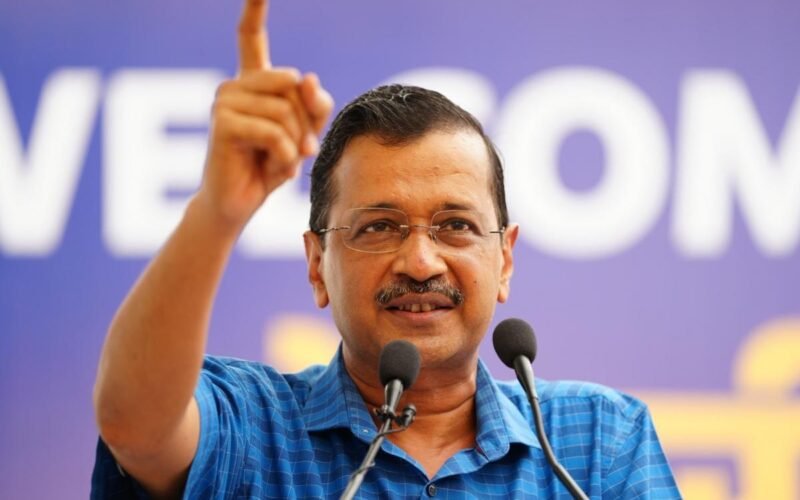
New Delhi (Gurpreet Singh): Aam Aadmi Party (AAP) National Convenor Arvind Kejriwal on Saturday announced that he will march to the Prime Minister's residence on 4 August to personally submit more than two lakh online petitions signed by people across the country against E20 petrol. He said he would leave at 12 noon with a group of 100 people to hand over the petitions to the Prime Minister. The AAP Chief appealed to only those who are not afraid of police 'lathis' (batons) or imprisonment to join him in the march. Expressing hope that he would be treated similarly to…
Read More
Andy Burnham Set to Become British Prime Minister Following Starmer’s Resignation

Andy Burnham Set to Become British Prime Minister Following Starmer’s Resignation

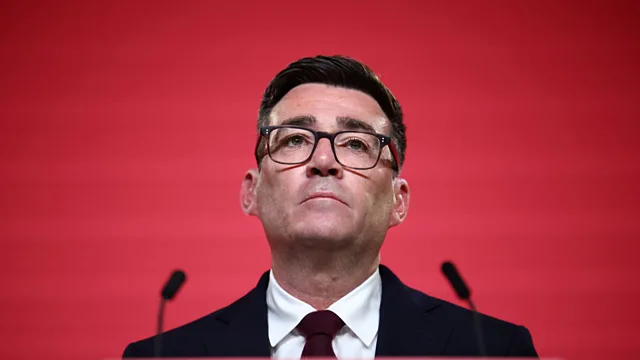
London (International News Desk): Andy Burnham is poised to become Britain's 59th Prime Minister on Monday, capping off a remarkable political trajectory defined by strategic patience and calculated risks. The 56-year-old former Mayor of Greater Manchester enters 10 Downing Street following the abrupt resignation of Keir Starmer after just two years in office. Burnham's rapid ascent to the top of national politics comes only a month after he successfully returned to Parliament by winning a high-stakes special election in the Manchester-area district of Makerfield. Born in Liverpool and raised in a working-class Catholic family, Burnham transitioned from a career in…
Read More
Canada Votes, But Not for the Prime Minister: How the System Works

Canada Votes, But Not for the Prime Minister: How the System Works

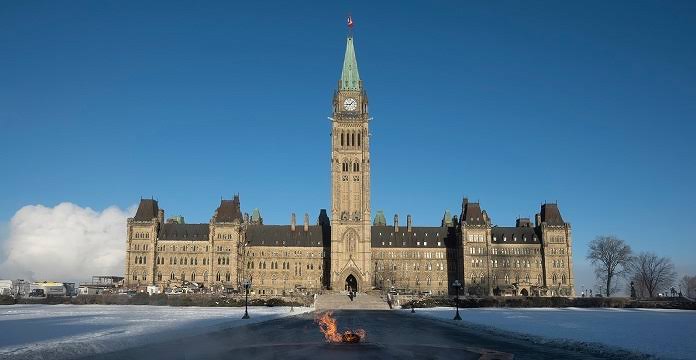
Ontario, April 25: As Canada gears up for its federal election on April 28, many first-time voters—and a good number of observers abroad—are surprised to learn they won’t actually be voting for the country’s Prime Minister. At least, not directly.Unlike the U.S. presidential system, where citizens vote for a head of state, Canada’s parliamentary democracy works differently. Voters cast a ballot not for a national leader, but for a local Member of Parliament (MP) in their riding. That MP’s party—if it wins the most seats in the House of Commons—then gets the chance to form a government. The party leader…
Read More