

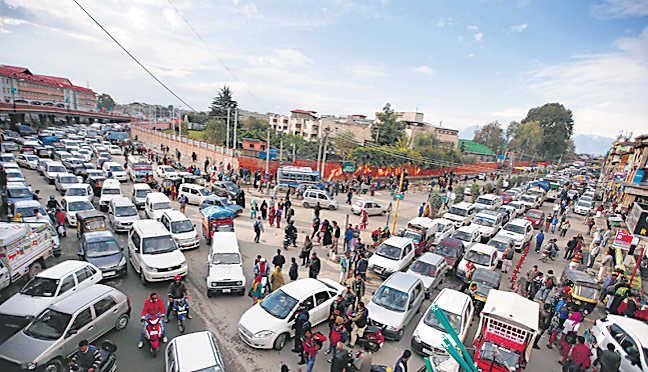
Vrindavan ( Rajeev Sharma): The sacred city of Vrindavan, known for its spiritual charm and devotion-filled atmosphere, is today facing a growing urban crisis as lakhs of devotees continue to pour in daily. While the surge in tourism reflects the city’s global religious importance, it has also exposed serious gaps in traffic management, regulation, and enforcement on the ground.
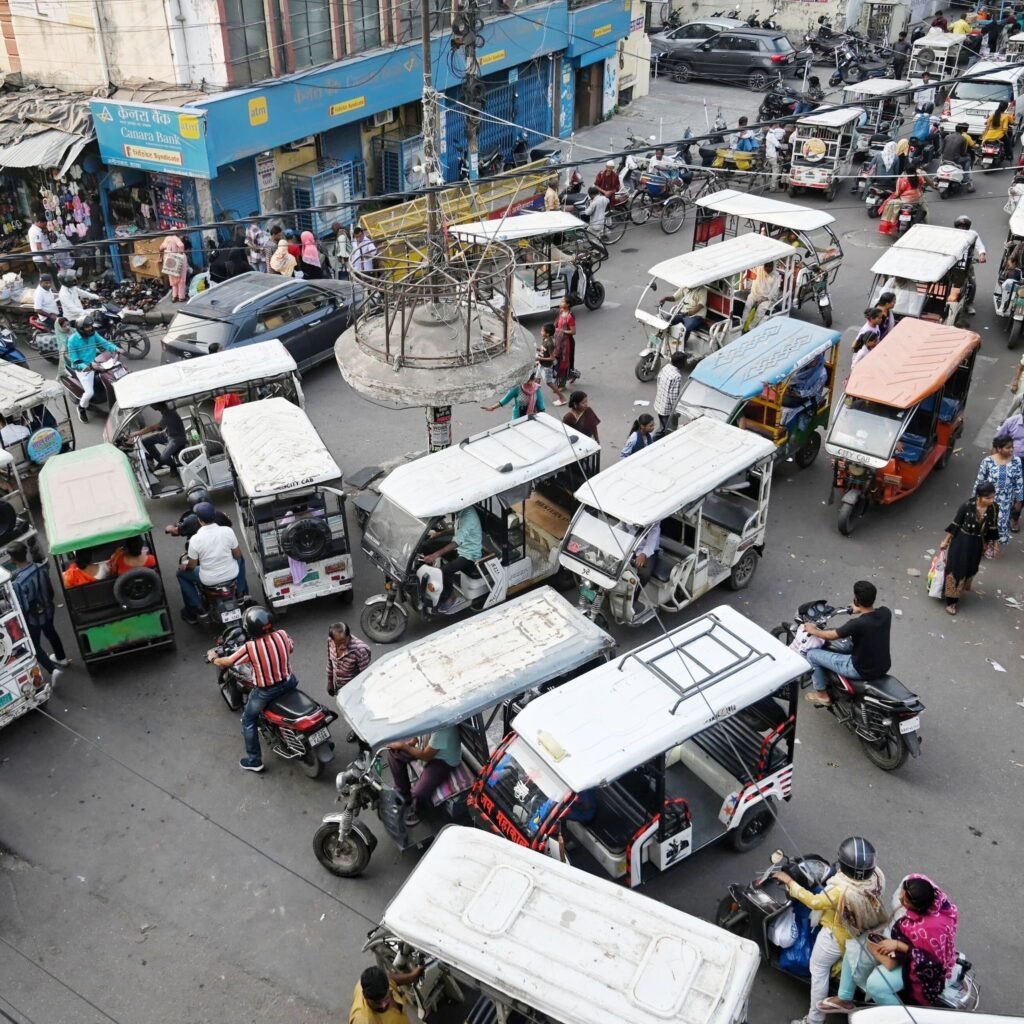
At the center of the issue is the unregulated movement of e-rickshaws. Despite the Mathura-Vrindavan Municipal Corporation enforcing mandatory registration from January 1, 2026, and introducing color-coded routes, a large number of unregistered vehicles continue to operate. This has led to frequent traffic jams, confusion among tourists, and rising complaints about overcharging and misconduct by some drivers.
The situation becomes more intense around key religious destinations such as Prem Mandir and Maa Vaishno Devi Dham. Devotees have reported being forced to pay inflated and unauthorized parking charges, with allegations pointing toward an organized “parking mafia” running illegal operations. These claims have raised concerns about possible local-level collusion and lack of strict monitoring.
At the same time, residents acknowledge the complexity of managing a city like Vrindavan, where narrow lanes and unpredictable crowd surges make traffic control extremely challenging. However, many have questioned the limited visibility of the Uttar Pradesh Police during peak non-VIP hours, especially on weekends and festival days when congestion reaches its worst.
While speaking to National Times, some senior police officials admitted that VIP movements often add to operational pressure. “During VIP visits, a significant portion of our force gets diverted for security and route management. This does create additional pressure on our teams, and at times the general public faces inconvenience due to limited manpower on regular duties,” a senior officer acknowledged.
Officials, however, maintained that continuous efforts are being made to balance VIP security with public convenience. “We are increasing deployment, conducting special drives against unregistered e-rickshaws, and taking action against illegal parking operators. Better coordination with civic authorities is also being ensured,” they added.
Civic authorities have described the registration system as a long-term reform aimed at bringing discipline and accountability to local transport, urging citizens to report violations while assuring strict penalties for offenders.
Yet, the ground reality reflects a mix of progress and persistent gaps. While efforts are visible, enforcement remains uneven, allowing irregularities to continue. As Vrindavan prepares for upcoming peak seasons, the challenge before authorities is clear—maintain the sanctity of a globally revered spiritual city while ensuring smooth, fair, and efficient systems for the common public, who often bear the brunt of the chaos.
