

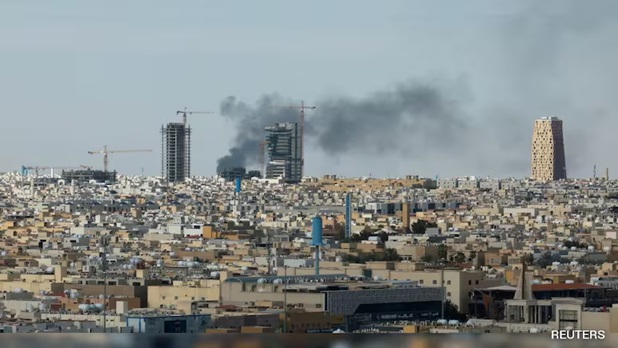
Washington (Rajeev Sharma): The United States military has reported destroying several Iranian vessels believed to be involved in preparing naval mines, as tensions between Washington and Tehran intensify and concerns grow over potential disruptions to global oil supply routes.
According to officials, American forces eliminated 16 boats linked to operations by Iran that were suspected of being used for mine-laying activities. The strikes were carried out amid warnings that Tehran could attempt to obstruct shipping through the strategically vital Strait of Hormuz.
Nearly 20 per cent of the world’s oil shipments pass through this narrow waterway, making any threat to its safety a major concern for energy markets and international trade.
U.S. President Donald Trump said there were no confirmed reports of explosives actually being deployed in the channel but cautioned that Washington would respond forcefully if such an attempt was made. He warned that the United States could launch strikes “on a scale never seen before” if Iran failed to remove any mines placed in the area.
The Pentagon also released video clips showing some of the vessels targeted during the operation. Defence officials said the action was intended to prevent threats to international shipping and maintain open sea lanes.
Meanwhile, Pete Hegseth indicated that further military action could follow, signalling that American forces were ready to intensify operations if tensions continued to rise.
The confrontation has heightened fears across the region, with Iranian authorities rejecting calls for negotiations while continuing attacks on targets in Israel and other Gulf states.
Residents in Tehran have also reported some of the most intense bombardment since the fighting began. Witnesses described strikes hitting residential areas, prompting many families to leave the city and seek refuge in nearby towns and villages.
As the conflict stretches into its second week, analysts warn that escalating hostilities around the Strait of Hormuz could have far-reaching consequences for global energy supplies and regional stability.
