

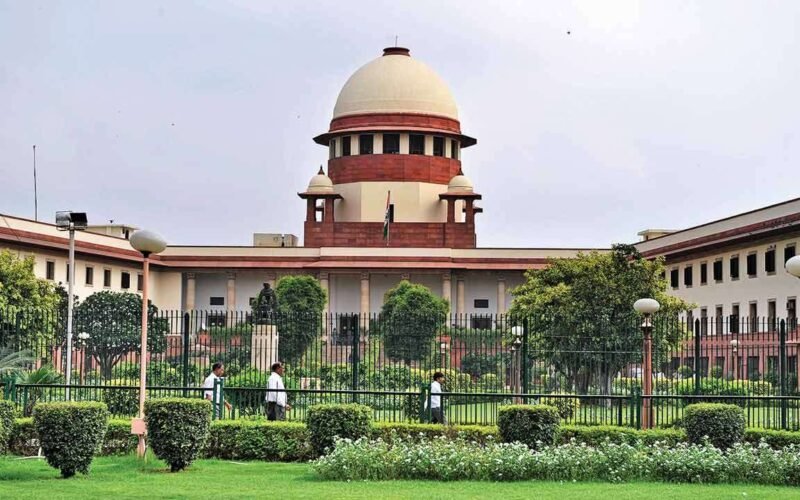
New Delhi (Gurpreet Singh): The Supreme Court of India has ordered all states and Union Territories (UTs) to develop “realistic and practical” action plans to implement minimum standards for Intensive Care Units (ICUs) across the country. A bench comprising Justice Ahsanuddin Amanullah and Justice R. Mahadevan issued these directives following the presentation of the “Guidelines for Organisation and Delivery of Intensive Care Services,” a consensus-based framework intended to standardize critical care. The apex court emphasized that these guidelines must be shared immediately with regional authorities to ensure a synchronized national effort toward improving healthcare infrastructure.
In its April 20 order, the court mandated that health secretaries and additional chief secretaries convene meetings with medical experts within one week to identify five high-priority requirements regarding manpower and equipment. The bench stressed that the focus should be on what is “absolutely essential and mandatory” for ICU functioning, ensuring that the resulting plans remain grounded in reality rather than theoretical ideals. Beyond planning, the court called for a robust methodology to ensure ground-level implementation and a mechanism for continuous monitoring and compliance.
The timeline for this initiative is notably aggressive, with the court expecting the entire exercise—from initial meetings to the submission of a final report—to be completed within three weeks. Once the individual states and UTs forward their deliberations to the Union Health Secretary, a final common agreed draft will be prepared and circulated. This comprehensive blueprint is expected to be placed before the court during the next scheduled hearing on May 18, providing a national roadmap for critical care services.
A significant development in the case involves the professional training of support staff. Recognizing that nursing personnel provide round-the-clock bedside care compared to the periodic visits of doctors, the bench endorsed a suggestion to enhance specialized training for nurses and paramedics. Consequently, the Indian Nursing Council and the Para Medical Council of India have been impleaded as respondents. They are now required to present a plan on how they propose to augment their curricula to ensure graduates are fully capable of managing the complexities of modern intensive care environments.
