

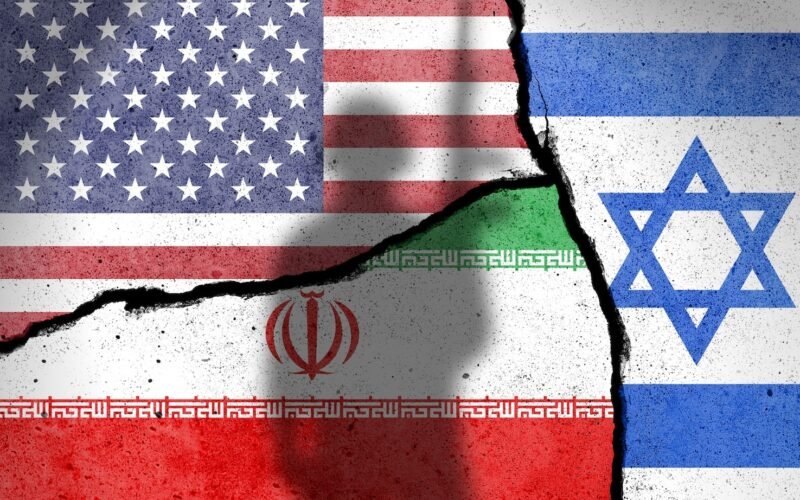
Washington/Tehran (Rajeev Sharma): Fresh military action by the United States has intensified tensions with Iran after American forces carried out precision strikes on multiple Iranian defence installations in response to an alleged drone attack on a commercial cargo vessel near the Strait of Hormuz.
The US military said the operation targeted missile storage sites, drone facilities and coastal surveillance radar systems that it believes were linked to the attack on the Singapore-flagged cargo ship M/V Ever Lovely. The vessel was reportedly struck while sailing close to the Omani coastline after leaving the Strait of Hormuz, one of the world’s busiest maritime trade routes.
In a statement, the US Central Command (CENTCOM) described the strikes as a measured response aimed at protecting international shipping and preventing further attacks on merchant vessels operating in the Gulf. The command also said American forces would continue coordinating the safe movement of commercial ships through the strategic waterway.
Washington accused Iran of jeopardising maritime security despite the recently announced understanding between the two countries designed to reduce hostilities. US President Donald Trump criticised the reported drone strike, saying any attack on civilian shipping violated the spirit of the agreement and would invite a firm response.
Iran strongly rejected the US action, with the Islamic Revolutionary Guard Corps (IRGC) accusing Washington of breaching its commitments under the recently negotiated framework. Iranian officials maintained that Tehran has the authority to regulate navigation through the Strait of Hormuz and insisted that ships using routes not approved by Iran would not receive security guarantees.
The latest exchange has raised fresh doubts over the future of the US-Iran diplomatic process, which had shown signs of progress after months of confrontation. Analysts warn that any further military escalation could once again threaten global energy supplies, as the Strait of Hormuz carries a substantial portion of the world’s crude oil and liquefied natural gas exports.
The security incident has also disrupted international maritime operations. The United Nations’ International Maritime Organization (IMO), which had recently launched an initiative to help stranded vessels and thousands of seafarers leave the Gulf safely, has temporarily suspended the programme while reassessing security conditions.
Shipping companies and global energy markets are now closely monitoring developments, fearing that renewed hostilities could lead to delays in cargo movement, higher freight and insurance costs, and further instability across the Gulf region.
With both Washington and Tehran standing by their positions, the latest confrontation has once again placed the Strait of Hormuz at the centre of international attention, highlighting the fragile nature of the current ceasefire efforts.
