

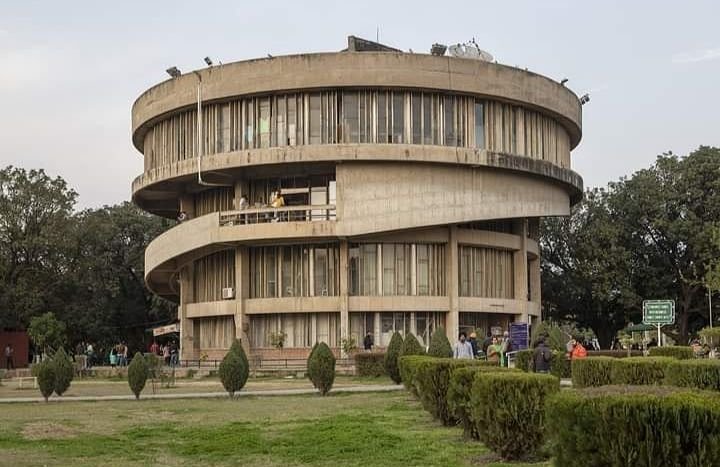
Chandigarh (Gurpreet Singh): Panjab University (PU) has retained its 37th position among Indian institutions in the QS Asia University Rankings 2027, with its overall score improving from 42.6 in 2026 to 43.4 this year.
The university has also outperformed 82.3 per cent of the institutions ranked across Asia, compared with 82 per cent in 2026 and 72.7 per cent in 2025. Its position in South Asia has remained unchanged at 61st.
According to the university, its overall score has risen from 31.3 in 2025 to 43.4 in 2027, marking a 38.66 per cent increase over two years. It also recorded improvements in eight of the 10 comparative indicators used in the rankings compared with the previous edition.
Research Impact And Faculty-Student Ratio Show Improvement
Panjab University’s score for citations per paper, an indicator of research impact, increased from 45.3 in 2026 to 52.8 in 2027, registering a rise of 16.56 per cent.
The score for faculty-student ratio also improved by 23.32 per cent, moving from 28.3 to 34.9.
The university recorded smaller gains in academic and employer reputation. Its academic reputation score rose from 35.7 to 35.9, while the employer reputation score increased from 39.2 to 40.1.
These two indicators carry weightages of 30 per cent and 20 per cent, respectively, in the QS Asia rankings.
International Student Participation Scores Rise
The university also reported progress across indicators related to international student participation.
The score for inbound exchange students registered the highest improvement among the comparative indicators, rising 35.53 per cent from 7.6 in 2026 to 10.3 in 2027.
The outbound exchange student score increased 17.39 per cent, from 6.9 to 8.1, while the international student ratio improved 19.63 per cent, rising from 10.7 to 12.8.
Panjab University also improved its score for the proportion of faculty members holding PhD degrees, from 95.8 in 2026 to 99 in 2027.
What Did The Vice-Chancellor Say?
Vice-Chancellor Professor Meenakshi Goyal said the university was focused on preparing students to compete globally through modern, industry-relevant education and improving their employability.
She described the improvement in the QS Asia University Rankings 2027 score as encouraging and credited the progress to the sustained efforts of faculty members, researchers, students and the wider university community.
Goyal particularly highlighted the gains in research impact, faculty-student ratio and international student participation, saying the university’s focus on educational quality and employability would be reflected in its performance across rankings.
