

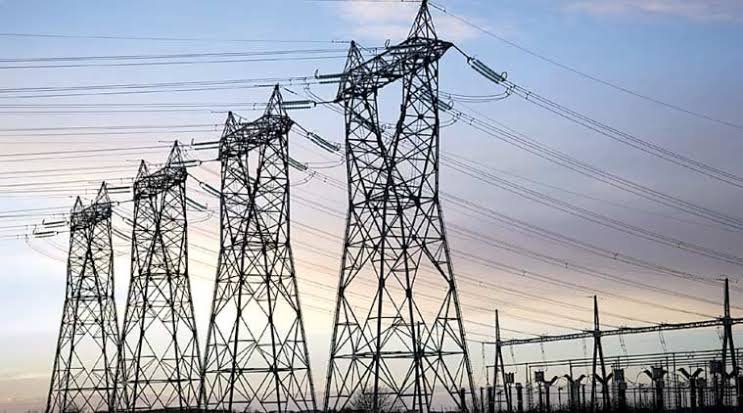
Chandigarh (Gurpreet Singh): Punjab’s electricity crisis is intensifying as shrinking coal stocks at thermal power stations coincide with a sharp rise in demand, forcing authorities to impose unscheduled power cuts across residential, industrial and agricultural areas.
The situation has become particularly difficult for industries in major manufacturing centres such as Ludhiana, Jalandhar and Mandi Gobindgarh, where power restrictions have reportedly stretched to 10-11 hours in some areas. Urban consumers are facing outages of around three to four hours, while rural areas are witnessing cuts of roughly an hour.
Farmers have also been affected, with interruptions disrupting the electricity supply required to operate tubewells.
Demand Crosses 15,000 MW
The pressure on Punjab’s power system was evident on Sunday morning when electricity demand crossed the 15,000 MW threshold.
Real-time figures from the Punjab State Power Corporation Limited (PSPCL) showed demand at 15,762 MW around 8 am. Punjab was drawing 11,138 MW from the central grid, while approximately 11,244 MW had been scheduled.
The state was consequently receiving around 106 MW less than its allocated share at the time.
Punjab’s dependence on the central grid has increased significantly amid the current demand surge. The state was generating about 4,626 MW of its own power, meaning more than 70 per cent of the electricity being consumed was being sourced through the central system.
Thermal Plants Face Varying Coal Stocks
Coal availability at Punjab’s thermal power stations remains a major concern, with stocks differing considerably between plants.
Lehra Mohabbat: 12 days
Goindwal Sahib: 17 days
Ropar: 62 days
Rajpura: 5 days
Talwandi Sabo: 9 days
The figures indicate particularly limited reserves at Rajpura and Talwandi Sabo, two plants that contribute significantly to the state’s electricity generation.
Private Plants Account for Major Share
Private thermal plants are currently supplying the largest portion of Punjab’s thermal generation, producing around 2,119 MW.
Talwandi Sabo is contributing approximately 1,129 MW, while Rajpura is generating around 990 MW.
The state’s own thermal stations are together producing about 1,774 MW. Lehra Mohabbat accounts for around 799 MW, followed by Goindwal Sahib at 516 MW and Ropar at approximately 459 MW.
Minister Says Crisis Could Ease in 48 Hours
Punjab Power and Public Works Minister Tarunpreet Singh Sond has said the government expects the situation to improve within the next day or two.
Sond said the state government is in communication with the Centre over the power shortage and claimed Punjab is currently receiving less electricity than its entitled share from the central power pool.
According to the minister, the shortfall is approximately 1,051 MW.
Sond said he has written to the Union Power Minister seeking intervention, arguing that restoration of Punjab’s full allocation could substantially ease the current crisis.
He also underlined the importance of reliable electricity supplies for agriculture, given the state’s dependence on farming and the need to keep tubewells operational.
For now, however, the combination of high demand, dependence on the central grid and limited coal availability at several thermal plants continues to put Punjab’s power infrastructure under considerable pressure.
