

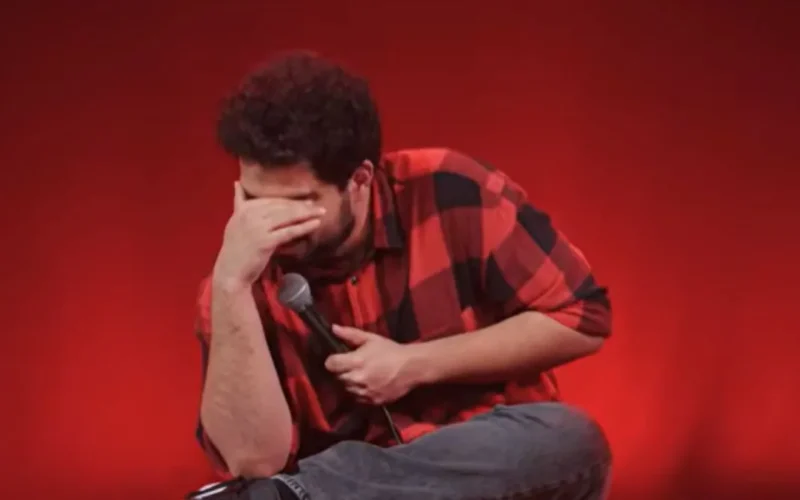
New Delhi (Gurpreet Singh): The Supreme Court of India has taken a severe stance against popular content creators, imposing a penalty of 3 lakh rupees each on comedian Samay Raina and prominent YouTubers Ranveer Allahbadia and Ashish Chanchlani. A three-judge bench, led by Chief Justice of India Surya Kant and including Justices Joymalya Bagchi and V. Mohana, reprimanded the influencers for showing arrogance and acting in brazen violation of the court’s directives. The bench noted that despite claims of filing a compliance affidavit, no documentation had actually been submitted, emphasizing that operating from outside the country does not place these individuals beyond the jurisdiction of Indian law.
The apex court’s ruling was delivered during the hearing of a petition filed by the Cure SMA India Foundation, which accused Samay Raina and other internet personalities of making highly insensitive remarks regarding the steep cost of medical treatments for Spinal Muscular Atrophy and openly ridiculing individuals living with rare genetic disorders. The petitioners flagged derogatory humor featured on shows like ‘India’s Got Latent’ hosted by Raina, alongside content involving other creators. The court had previously directed the content creators to issue an unconditional apology on their platforms and host monthly fundraising shows highlighting the success stories of Persons with Disabilities to generate medical funds. However, senior advocate Aparajita Singh, representing the Foundation, informed the bench that the creators had completely failed to collaborate with the petitioner or invite disabled individuals to their shows.
During the proceedings, Solicitor General Tushar Mehta strongly criticized the influencers’ conduct, dismissing the notion that they represent positive youth icons and pointing out recent content where the system was subtly mocked. Echoing these concerns, the Supreme Court emphasized that public respect must be earned through empathy rather than humiliation. Highlighting the broader need to protect marginalized communities online, the bench urged the Central Government to consider framing strict legal norms that would make derogatory remarks targeting persons with disabilities a penal offence, drawing a parallel to the protective framework provided under the SC-ST Act.
