

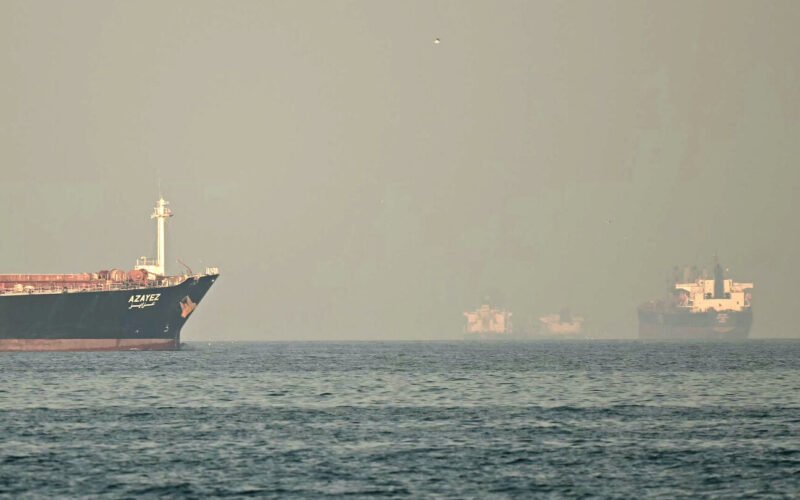
Washington (Rajeev Sharma): The United States carried out a fresh wave of military strikes on Iranian positions early Wednesday, saying the action was a direct response to recent attacks on commercial vessels in the Strait of Hormuz, one of the world’s most strategically important maritime routes.
According to the US Central Command (CENTCOM), the operation focused on military infrastructure allegedly linked to Iran’s capability to threaten international shipping. The targets included coastal defence systems, radar installations, anti-ship missile launch sites, command centres and dozens of fast attack boats believed to be operated by Iran’s Islamic Revolutionary Guard Corps (IRGC).
Iranian media reported explosions in several southern locations, including Bandar Abbas, Sirik and Qeshm Island, though authorities in Tehran had not immediately released details on the extent of the damage.
Washington blames Iran for shipping attacks
The latest military action follows a series of incidents involving commercial tankers navigating the Strait of Hormuz. US officials accused Iranian forces of targeting multiple merchant vessels in recent days, describing the attacks as a violation of international maritime law and a threat to global energy supplies.
CENTCOM maintained that the strikes were aimed at reducing Iran’s operational capacity to interfere with commercial navigation and safeguarding freedom of movement through the waterway.
“The operation was designed to neutralise military capabilities used to threaten international shipping,” the command said in its statement.
Ceasefire faces renewed strain
The developments come despite an existing ceasefire framework between Washington and Tehran that was intended to halt hostilities after months of confrontation. While both countries remain engaged in indirect diplomatic efforts, the latest exchange has cast fresh doubts over the durability of the truce.
US officials insisted the operation was defensive in nature and warned that any further attacks on civilian shipping would invite additional responses.
Political pressure grows on both sides
The renewed escalation has also intensified political divisions in both countries.
In Iran, sections of hardline groups have criticised senior officials involved in negotiations with the United States, accusing them of making unnecessary concessions. Demonstrations have reportedly taken place demanding a tougher response to Washington.
In the United States, President Donald Trump has also faced criticism from some political allies, who argue that the ceasefire arrangement has failed to prevent further confrontations in the Gulf.
Global concern over vital shipping route
The Strait of Hormuz remains one of the world’s busiest energy corridors, with a significant share of global crude oil exports passing through it every day. Any disruption in the region has the potential to affect international energy markets and shipping operations.
With both military activity and diplomatic negotiations continuing simultaneously, analysts say the coming days will be crucial in determining whether the ceasefire can survive or whether the region risks another cycle of escalation.
