

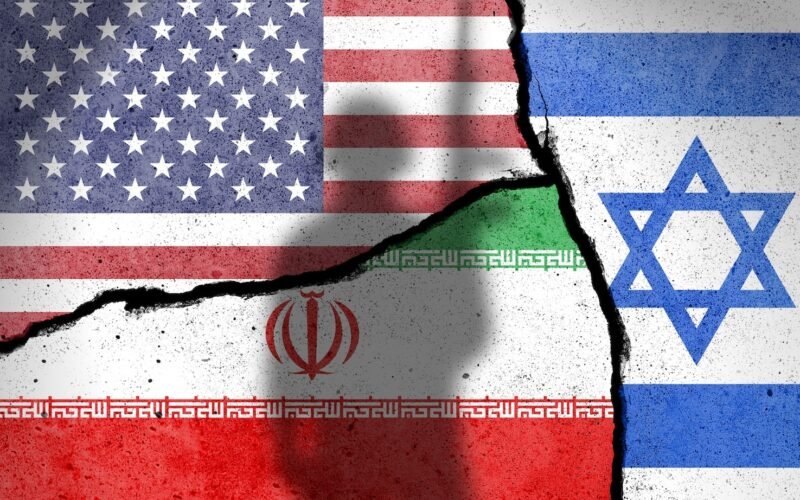
Doha (Rajeev Sharma): The latest round of indirect negotiations between the United States and Iran concluded in Doha, Qatar, with both sides agreeing to continue diplomatic contacts despite making no major announcements on unresolved issues. The discussions centred on implementing elements of a temporary agreement reached earlier, with particular attention given to maritime security in the Strait of Hormuz and the release of Iranian financial assets held overseas.
According to officials familiar with the negotiations, the two-day meeting focused largely on technical matters rather than politically sensitive topics. Representatives from Washington and Tehran held separate consultations through Qatari and Pakistani mediators, a format that has remained central to recent diplomatic efforts.
Qatar’s Foreign Ministry described the discussions as constructive, saying they helped advance work on commitments outlined in the ceasefire framework reached after the conflict earlier this year. The ministry added that another round of negotiations is expected once Iran completes official mourning ceremonies for Supreme Leader Ayatollah Ali Khamenei, whose funeral is scheduled for July 9.
Speaking to reporters in Washington, US President Donald Trump expressed optimism about the broader direction of talks, suggesting that progress was being made on issues surrounding Iran’s nuclear programme. However, people with direct knowledge of the Doha discussions said the subject was not formally addressed during the latest meetings, which remained limited to practical implementation of previously agreed measures.
US Vice President JD Vance echoed that position, indicating that negotiations on nuclear-related concerns would begin during a later phase of the dialogue.
Iran’s delegation was led by Deputy Foreign Minister Kazem Gharibabadi, who confirmed the conclusion of the talks but refrained from commenting on whether the two sides had narrowed differences on key issues. Neither delegation issued a joint statement after the meetings.
One of the principal issues under discussion was the future of commercial navigation through the Strait of Hormuz, a vital maritime route that carries a significant share of the world’s oil and liquefied natural gas exports. Shipping activity has gradually resumed following disruptions caused by recent military tensions, though concerns over long-term stability remain.
Iran has reiterated its intention to exercise greater oversight over the strategic waterway and has previously announced plans to introduce transit charges for commercial vessels after a temporary exemption period expires in mid-August. The proposal has attracted close attention from global energy markets and shipping companies.
President Trump sought to reassure markets by suggesting that the likelihood of renewed military conflict had eased, describing recent diplomatic contacts as encouraging. His remarks contributed to a decline in international oil prices, which fell to their lowest level in several months amid expectations of reduced geopolitical risks.
Separately, Iranian state media reported that a foreign container ship had run aground outside the designated navigation channel near the Strait of Hormuz, underlining the operational challenges that continue to affect maritime traffic in the region.
Several European nations have expressed willingness to support efforts aimed at improving maritime safety, including mine-clearing operations. However, Germany has indicated it is unlikely to participate, with Defence Minister Boris Pistorius citing limited cooperation from Iranian authorities.
Although the Doha meetings ended without any landmark agreement, they underscored both countries’ willingness to maintain diplomatic engagement. Observers believe the continuation of talks could help prevent further escalation while providing a platform to address more contentious issues, including Iran’s nuclear programme, in future negotiations.
