

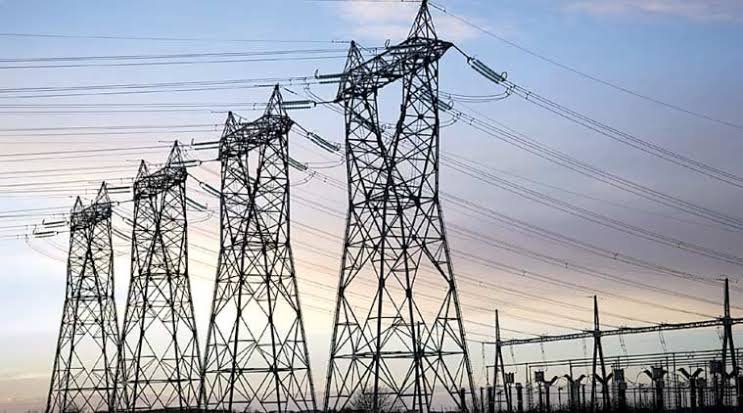
Chandigarh (Gurpreet Singh): The arrival of monsoon showers has eased the burden on Punjab’s electricity network, with power demand witnessing a steep decline after widespread rain and a sharp drop in temperatures across the state.
Officials from the Punjab State Power Corporation Limited (PSPCL) said electricity consumption, which had remained above 17,000 megawatts (MW) during the recent heatwave, fell to nearly 8,000 MW on Thursday morning following overnight rainfall. The reduced demand has provided immediate relief to a power system that had been operating under heavy strain for several days.
For the past week, soaring temperatures and increased agricultural activity had pushed electricity usage to unprecedented levels. The utility had struggled to meet demand, leading to load management measures and power interruptions in several areas as it worked to maintain the stability of the transmission network.
Officials expect electricity consumption to increase modestly during daytime hours as commercial operations and household activities resume. However, the overall demand is likely to remain considerably lower than the record highs recorded earlier this week, provided weather conditions remain favourable.
The power sector had been facing simultaneous pressure from multiple fronts. The ongoing paddy transplantation season has led to extensive use of electric tubewells by farmers, who require uninterrupted irrigation for newly planted crops. At the same time, prolonged temperatures nearing 45 degrees Celsius triggered heavy use of air conditioners, coolers and refrigeration equipment across homes, businesses and institutions.
The combination of agricultural and domestic consumption placed the state’s electricity infrastructure under exceptional stress. Farmers voiced concerns over irregular power supply, arguing that outages affected irrigation schedules during a critical phase of crop cultivation. Industrial organisations also reported disruptions caused by limited electricity availability.
Earlier in the week, PSPCL achieved its highest-ever single-day power supply, distributing more than 3,860 lakh units of electricity across the state. While the record reflected the corporation’s ability to meet extraordinary demand, officials acknowledged that operating at such levels placed significant pressure on generation and transmission systems.
To bridge the demand-supply gap, Punjab relied heavily on electricity sourced from the central grid alongside its own generating stations. Experts noted that drawing large volumes of power from the national network requires careful management to prevent transmission congestion and maintain grid security.
The weather pattern has now shifted considerably. Monsoon rainfall has cooled temperatures across major districts, including Ludhiana, Amritsar, Patiala, Jalandhar, Bathinda and Faridkot, reducing dependence on cooling appliances and lowering overall electricity consumption.
The rainfall has also benefited the agricultural sector by providing natural moisture to paddy fields, decreasing the immediate need for continuous pumping of groundwater. This dual impact has significantly eased pressure on the state’s electricity distribution system.
Meteorological forecasts indicate that monsoon activity is expected to intensify over the coming days, bringing additional showers across Punjab. If the forecast holds, officials believe the state could continue experiencing relatively moderate electricity demand compared to the unusually high levels seen during the recent spell of extreme heat.
With weather conditions improving, PSPCL expects greater operational flexibility and hopes to minimise the need for load-shedding measures. Authorities will continue monitoring demand patterns closely as the monsoon progresses and agricultural requirements evolve throughout the cultivation season.
