

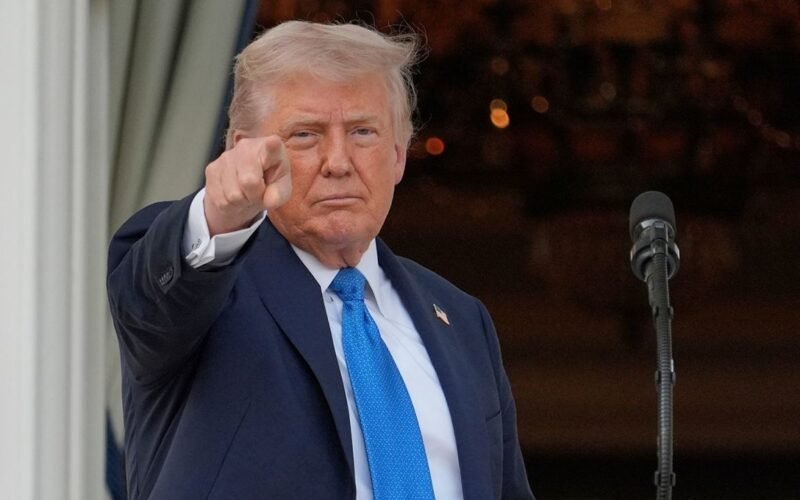
Washington DC (Rajeev Sharma): U.S. President Donald Trump announced on Sunday, April 19, 2026, that American negotiators are heading to Islamabad for a critical second round of face-to-face talks with Iran. The high-stakes meeting comes just 72 hours before a fragile, two-week ceasefire is set to expire on Wednesday, April 22. While the first round of negotiations earlier this month ended without a deal, the return of top officials to the table has raised cautious hopes for an extension of the truce that paused eight weeks of devastating regional conflict.
The White House confirmed that Vice President JD Vance will once again lead the U.S. delegation, accompanied by special envoys Steve Witkoff and Jared Kushner. Advanced security teams are already on the ground in Pakistan, which has played a central role in brokering the dialogue. Iranian Parliament Speaker and chief negotiator Mohammed Bagher Qalibaf acknowledged in a state television interview that while a “wide gap” remains between the two nations, Tehran remains committed to the diplomatic path, stating, “There will be no retreat in the field of diplomacy.”
Standoff in the Strait of Hormuz
The negotiations are taking place against a backdrop of severe military tension in the Strait of Hormuz. After briefly signaling a reopening of the waterway on Friday, Iran reversed course on Saturday, reimposing a blockade. This move followed accusations from Tehran that the U.S. violated the ceasefire by maintaining a naval blockade on Iranian ports.
- Maritime Incident: On Saturday, Iranian Revolutionary Guard gunboats reportedly fired on the Indian-flagged tanker Sanmar Herald, an incident President Trump characterized as “blackmail” and a direct violation of the ceasefire.
- Trump’s Ultimatum: In a social media post, the President issued a blunt warning to Tehran: if a deal is not reached, the U.S. is prepared to “knock out every single power plant and every single bridge in Iran.”
- Economic Pressure: The closure of the Strait, which handles 20% of global oil flows, continues to roil energy markets, with Iran linking the waterway’s reopening directly to the lifting of U.S. economic and naval sanctions.
The Negotiating Table
As the Wednesday deadline approaches, negotiators are grappling with several deeply entrenched “red lines”:
- Sanctions vs. Blockade: Iran demands the immediate lifting of the U.S. naval blockade on its ports.
- Nuclear Enrichment: The U.S. is pushing for permanent constraints on Iran’s nuclear program as part of any long-term settlement.
- Regional Conflict: The talks are also complicated by ongoing Israeli strikes in Lebanon, with Iran demanding a broader regional cessation of hostilities.
