

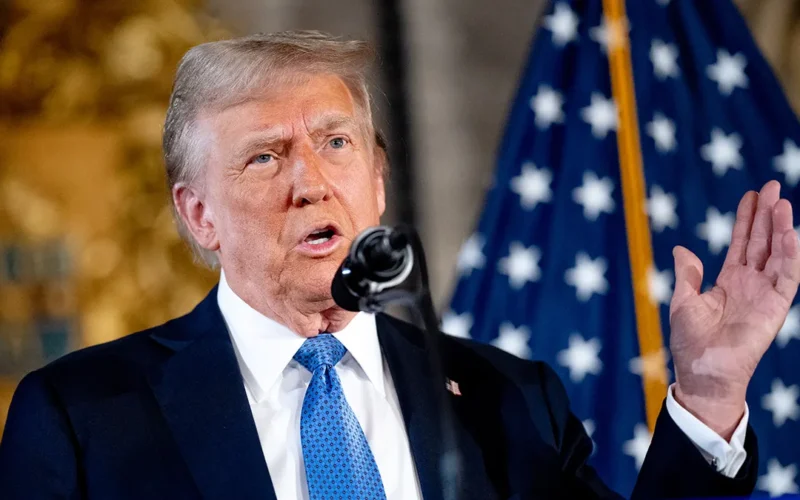
Washington DC (International News Desk): In a provocative escalation of rhetoric, U.S. President Donald Trump on Friday, April 3, 2026, suggested that the United States could “easily” seize control of the Strait of Hormuz to secure global oil supplies. In a characteristically bold post on Truth Social, Trump referred to the strategically vital waterway as a potential “gusher” for the world, writing, “With a little more time, we can easily OPEN THE HORMUZ STRAIT, TAKE THE OIL, & MAKE A FORTUNE.” The remarks come exactly one month into the U.S.-Israel war against Iran, a conflict the Trump administration previously claimed would be settled in weeks yet shows no signs of a ceasefire.
The President’s comments have drawn an immediate and severe warning from Tehran. A spokesperson for Iran’s Khatam al-Anbiya Central Headquarters—the military body overseeing the nation’s strategic infrastructure—declared that any further assaults on Iranian bridges, power plants, or energy facilities would trigger a “devastating” regional response. Reported via state media Press TV, the spokesperson warned that retaliatory strikes would not be limited to U.S. and Israeli assets but would extend to “key holdings of U.S. allies and host nations” that facilitate American military operations.
Escalating Threats and Regional Risks:
- Targeting Host Nations: Iran issued a direct ultimatum to countries hosting American military installations, stating they must “force American forces to leave” if they wish to remain safe from Iranian countermeasures.
- Infrastructure at the Forefront: The warning follows recent U.S. strikes on Iranian bridges and power grids, which the Trump administration has cheered as a sign of the regime’s “collapse,” but which Tehran views as a red line for total regional war.
- The “Gusher” Strategy: Trump’s suggestion of “taking the oil” implies a potential shift toward a permanent military occupation of the Strait of Hormuz, a move that would fundamentally alter global maritime law and energy security.
- Disrupted Energy Markets: With 20% of the world’s traded oil traditionally passing through the Strait, the ongoing “chokehold” has already sent global fuel prices to historic highs, including a massive 55% jump in prices in neighbouring Pakistan this week.
The Khatam al-Anbiya spokesperson emphasized that future strikes would be “harder and more devastating than before,” signaling that Iran is prepared to expand the conflict beyond its immediate borders to include any nation aiding the U.S. war effort. Despite the White House’s insistence that the war is nearing its end, the ambiguity on the ground and the intensifying threats to regional energy infrastructure suggest a deepening crisis with no clear exit strategy in sight.
