

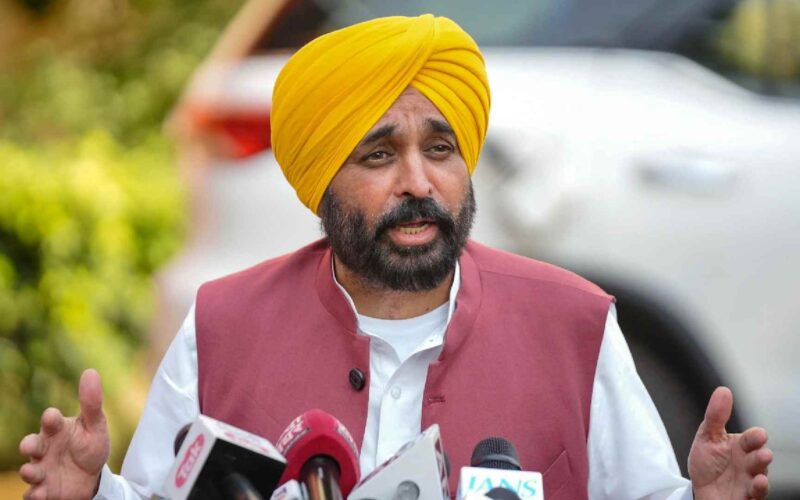
In a move aimed at strengthening Punjab’s industrial base and creating fresh opportunities for investment, the Bhagwant Mann-led government has turned its attention towards modernising the state’s textile processing industry, with a particular focus on dyeing, printing and finishing units.
The initiative reflects the state government’s effort to translate its promise of giving industry a stronger push into concrete policy measures. Rather than limiting its focus to traditional manufacturing, Punjab is looking to address gaps in the textile value chain that have affected production standards, efficiency and the ability of local manufacturers to compete in international markets.
Textiles already account for nearly 19 per cent of Punjab’s industrial output and around 38 per cent of its exports. The state has an established presence in spinning, knitting and garment manufacturing, but the processing segment continues to face challenges. A large number of units operate as small and medium enterprises, with differences in technology, infrastructure and environmental compliance.
The new policy seeks to address these shortcomings by encouraging investment in advanced processing facilities and supporting existing units in upgrading their technology. Dyeing and finishing, which play a decisive role in the quality and marketability of textile products, have been identified as areas requiring particular attention.
An important part of the proposed transformation is the development of shared infrastructure, including Common Effluent Treatment Plants (CETPs) and Zero Liquid Discharge (ZLD) systems. The policy also encourages manufacturers to adopt energy-efficient machinery, water recycling and cleaner production methods. Units adopting ZLD technology have been placed in the priority category for incentives.
The emphasis on modern processing infrastructure comes at a time when textile-producing states are competing to attract investment and strengthen their presence in global supply chains. Punjab was not among the seven states selected under the Centre’s PM MITRA Mega Textile Park scheme. The state is now looking to strengthen its existing industrial clusters through targeted support, rather than depending solely on the development of a new mega textile park.
For the Mann government, the initiative also carries an employment and investment dimension. Upgrading existing units and attracting new players could help retain more value addition within Punjab, create opportunities across the textile supply chain and improve the industry’s ability to meet the requirements of international buyers.
Environmental compliance, however, will be a major test of the policy. Textile processing consumes substantial quantities of water, while pollution concerns, particularly around the Sutlej, have remained a challenge for the state. The proposed common treatment facilities and ZLD systems are intended to address this concern while allowing industrial activity to expand.
The government’s broader approach is to strengthen sectors that can generate investment and employment within Punjab. The textile policy is another step in that direction, with the focus now shifting towards modernisation, sustainability and making the state’s industrial ecosystem more competitive.
