

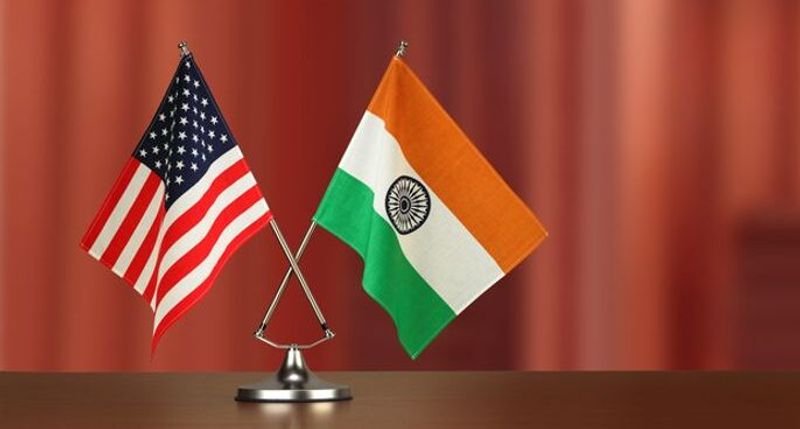
New Delhi (Gurpreet Singh): India and the United States remain fully committed to advancing negotiations on a proposed bilateral trade agreement despite ongoing legislative efforts in Washington to pass a bill authorizing tariffs of up to 100 per cent on top importers of Russian energy. Speaking in New Delhi on Thursday, Indian Commerce Secretary Rajesh Agrawal emphasized that both nations maintain regular contact and share a mutual dedication to realizing the trade framework agreed upon earlier this year. Addressing concerns regarding the proposed American sanctions, Agrawal characterized the bill as an internal domestic matter for the United States, declining to comment directly on its legislative progress while reassuring that bilateral discussions stay firmly on track.
The proposed legislation, which recently cleared the United States Senate, seeks to empower the American presidency to levy steep tariffs on the top five purchasers of Russian petroleum products, a list that includes major Asian economies. Before becoming law, the sanctions package requires further review and approval by the House of Representatives. Indian officials noted that while external legislative shifts present complex dynamics for trade planners, the primary objective of the bilateral trade agreement remains focused on bringing stability, predictability, and enhanced market access for commercial enterprises, agricultural producers, and workers in both countries.
Negotiations between the two nations have made steady headway since setting out a framework for an interim trade arrangement in February. Key areas under ongoing discussion include reducing non-tariff barriers, expanding digital commerce, reinforcing supply chain resilience, and fostering deeper co-operation across strategic economic sectors. Diplomatic contacts remain active at multiple levels, with officials pointing to strong high-level working relationships as a constructive foundation for navigating tariff disputes and concluding a balanced, commercially meaningful agreement.
