

Washington (Rajeev Sharma): A major diplomatic breakthrough has emerged in West Asia as the United States and Iran announced a far-reaching agreement to halt hostilities and restore maritime movement through the Strait of Hormuz, easing concerns over regional instability and global energy security.
The development follows months of escalating military tensions that had unsettled international markets and heightened fears of a prolonged conflict affecting one of the world’s busiest oil transit routes.
Pakistan Prime Minister Shehbaz Sharif was the first leader to disclose the outcome of the negotiations, describing the agreement as the result of sustained diplomatic engagement involving multiple regional stakeholders. According to him, both Washington and Tehran have committed to ending military action across all operational fronts, including Lebanon.
Sharif stated that the peace accord will be formally signed in Switzerland on June 19 after a series of preparatory meetings and technical consultations scheduled for later this week. He also credited Qatar, Saudi Arabia and Türkiye for extending support throughout the mediation process.
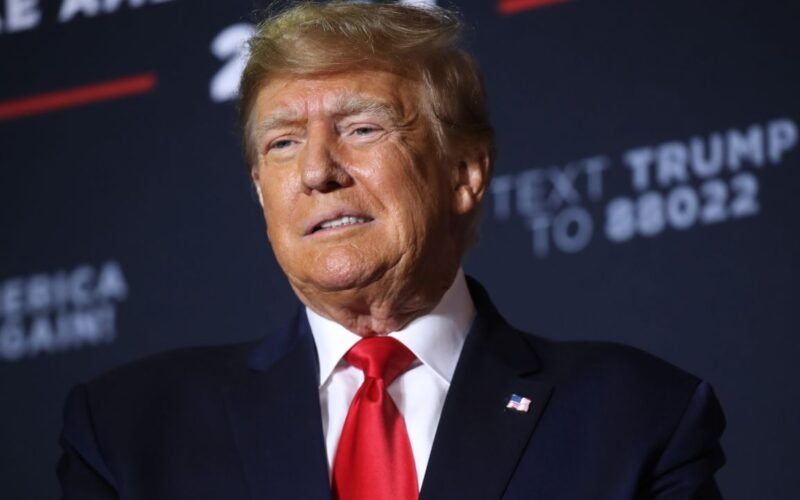
The announcement was soon reinforced by US President Donald Trump, who confirmed that the agreement had been finalised. In a social media post, Trump declared that the Strait of Hormuz would reopen for international shipping and that the naval restrictions imposed by the United States would be lifted immediately, allowing uninterrupted movement of commercial vessels.
He added that both sides had endorsed a memorandum of understanding and indicated that further details regarding the framework would be released shortly.
Iranian authorities later issued their own confirmation, stating that negotiators had completed the draft of the memorandum after months of complex discussions. The country’s Supreme National Security Council said military operations would cease permanently while confirming that the blockade affecting Iranian maritime access would be removed.
Tehran also clarified that negotiations on broader strategic issues would proceed only after all commitments under the initial agreement were implemented. Iranian officials acknowledged the efforts of Pakistan and Qatar in facilitating dialogue between the two sides.
The understanding is expected to significantly reduce pressure on global energy markets. During the confrontation, disruptions in the Strait of Hormuz had affected a substantial portion of international oil shipments, contributing to soaring crude prices and increasing concerns over supply shortages.
Financial markets reacted positively to the announcement, with investors welcoming the prospect of improved stability in a region that plays a central role in global energy trade.
However, the agreement has not received universal support. Israel signalled that it does not consider itself bound by the understanding reached between Washington and Tehran. Israeli National Security Minister Itamar Ben-Gvir maintained that his country would continue to make independent security decisions and pursue its objectives regarding Hezbollah without compromise.
Several complex issues remain outside the scope of the initial understanding, including Iran’s nuclear activities, sanctions-related concerns and the long-term framework governing navigation through the Strait of Hormuz. Officials from both countries are expected to address these matters during an extended 60-day negotiation process.
If the agreement progresses as planned, it could represent a defining moment in regional diplomacy, reducing tensions that have dominated West Asia in recent months while restoring confidence in global trade routes and energy supplies.
