

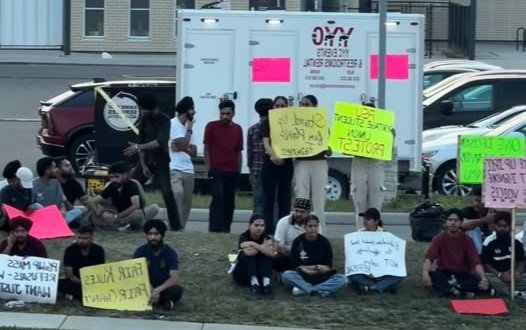
Calgary (Rajeev Sharma): Alberta’s international student protests have continued in recent weeks, drawing attention to Canada’s international education system and the rules governing the Post-Graduation Work Permit (PGWP) program. Hundreds of graduates have demonstrated in Alberta after learning they are not eligible for PGWPs, despite completing programs at designated learning institutions. Many students say they invested significant financial resources to study in Canada with the expectation of gaining Canadian work experience after graduation.
The protests include graduates connected to programs offered through Portage College partnership arrangements and CIOT College. Students say they were under the impression that their programs would qualify for a PGWP and are seeking clarification, transparency, and a review of their individual cases.
According to Immigration, Refugees and Citizenship Canada (IRCC), the core PGWP eligibility requirements have not changed. The department has stated that its June 2026 website update clarified an existing policy that non-credit programs are not eligible for a Post-Graduation Work Permit. Some affected students say they were not aware of this distinction at the time of enrollment and are calling for a review of how eligibility information was communicated by institutions and recruitment agents.
The situation has prompted broader discussion about Canada’s international education sector. Students, immigration lawyers, and education advocates have called for increased transparency regarding program eligibility, improved oversight of public-private college partnership arrangements, and clearer communication for prospective international students before they commit to studying in Canada.
Alberta Premier Danielle Smith has said that immigration laws must be followed and that individuals who no longer have legal status in Canada are expected to comply with federal immigration requirements. Protesters, meanwhile, say they are not seeking special treatment but are requesting a review of their circumstances and greater accountability from institutions involved in recruiting and educating international students.
The protests have also renewed discussion about recruitment practices in the international education industry. Previous government reports, media investigations, and court proceedings have documented instances of misleading recruitment, fraudulent immigration documents, and misconduct by some immigration consultants and education agents. One widely reported case in 2023 involved hundreds of Indian students whose admission documents were found to be fraudulent after being prepared by an immigration consultant. That case was not connected to the current Alberta PGWP protests but is sometimes referenced in broader discussions about oversight and consumer protection in the sector.
National Times reports that it has not found verified evidence that any Alberta college involved in the current protests was purchased by fraudulent individuals or that college owners engaged in fraud related to the PGWP dispute. There is also no official finding by Canadian authorities linking the current protests to fraudulent ownership of any post-secondary institution. Any such allegations remain unverified unless confirmed through official investigations or court proceedings.
As demonstrations continue, students are urging both the federal and Alberta governments to work with colleges to review affected cases, improve transparency, and strengthen safeguards for future international students. The outcome of ongoing discussions may have implications for Canada’s international education system and for prospective students considering studying in the country.
