

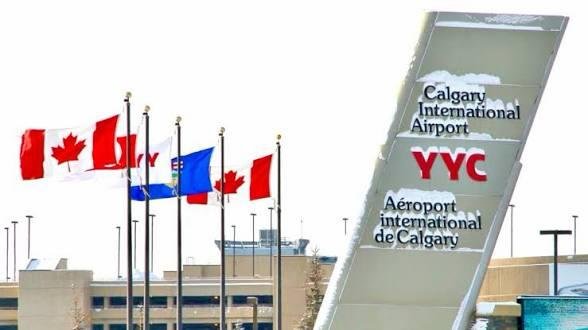
Calgary (Rajeev Sharma): Canada’s airport system is facing a major potential shift as Prime Minister Mark Carney’s government moves to attract private investment and long-term private operators to four of the country’s largest airports — Calgary International, Toronto Pearson, Vancouver International and Montréal-Trudeau.
The proposal does not mean Ottawa is selling the four airports. Under the model being examined, the federal government would retain ownership of the underlying airport land and assets, while private investors could receive long-term concessions to operate and invest in the facilities. Transport Canada would continue to have responsibility for federal regulatory, safety and security oversight.
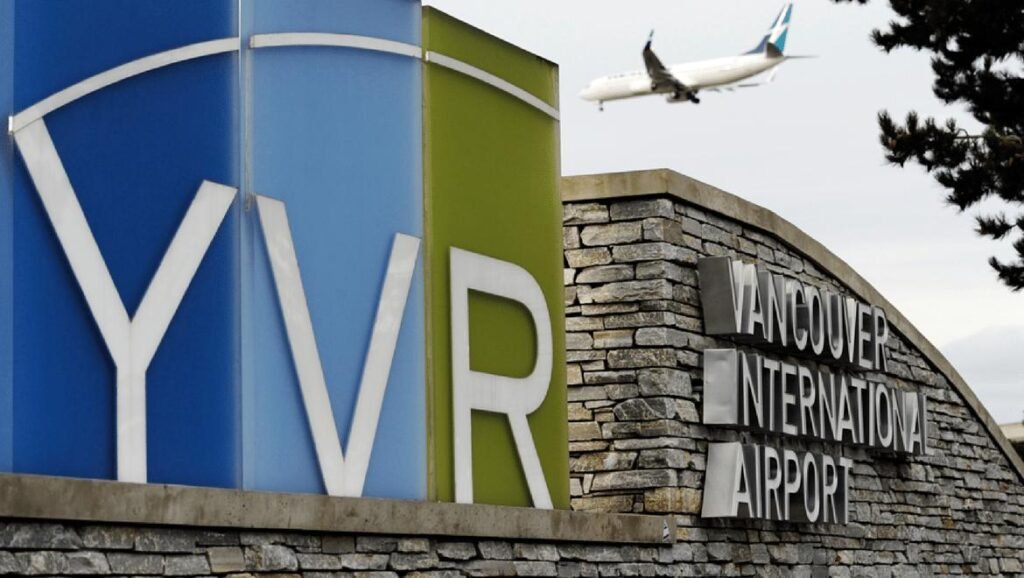
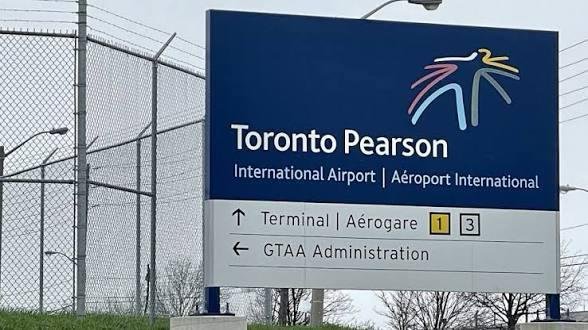
The distinction is important because Canada already has a mixed airport ownership and operating system. The federal government owns the land at the major National Airports System airports, while locally governed, not-for-profit airport authorities currently operate and develop many of the facilities. The proposed model would introduce a greater private-sector role in the operation and financing of the four major airports.
Prime Minister Mark Carney has said the initiative could unlock tens of billions of dollars in investment and provide capital for major infrastructure projects. Ottawa has also indicated that proceeds could help support regional and remote airports and improve air connections in communities outside the country’s largest aviation centres.
The plan has sparked debate over who would ultimately benefit from private investment and how the changes could affect passengers. Labour organizations and critics have raised concerns about potential increases in airport charges and the possibility that commercial investors could place greater emphasis on financial returns. Supporters of private capital have highlighted the potential for accelerated infrastructure investment and expansion.
Public reaction has also been mixed. A Leger survey conducted September 19–21 among 1,533 Canadians found that 43 per cent supported private operators for the four airports, while 31 per cent opposed the proposal and 27 per cent were undecided. The online survey does not have a conventional margin of error.
For Calgary, the proposal puts YYC Calgary International Airport at the centre of an important national discussion. YYC is a major Canadian aviation hub serving Alberta’s growing population, business community, tourism industry and international connections. Any change to its operating structure could have implications for future infrastructure projects, airport charges, passenger services and long-term expansion.
Calgary Airports President and CEO Chris Dinsdale has said the airport will continue participating in the federal consultation process. Key issues under discussion include affordability, governance, competitiveness, infrastructure investment, airport growth and passenger experience.
The Canadian Airports Council has also identified the proposal as a significant potential change to Canada’s traditional airport governance model. Canada’s major airports have historically operated through locally governed, non-share-capital airport authorities rather than conventional private corporations.
The federal government has not yet finalized the structure of the proposed concessions. Questions surrounding the length of private operating agreements, financial arrangements, governance powers, investment obligations and protections for passengers and airport employees remain to be determined.
For travellers, the central issue will ultimately be how the new model affects the cost and quality of air travel. For Ottawa, the challenge will be balancing private investment and infrastructure financing with public-interest considerations while maintaining federal ownership and regulatory oversight.
The proposed airport changes are therefore not simply a sale of Canada’s airports. They represent a potential shift in who operates and finances some of the country’s most important aviation gateways, with Calgary, Toronto, Vancouver and Montréal now at the centre of Ottawa’s private-investment strategy.
