

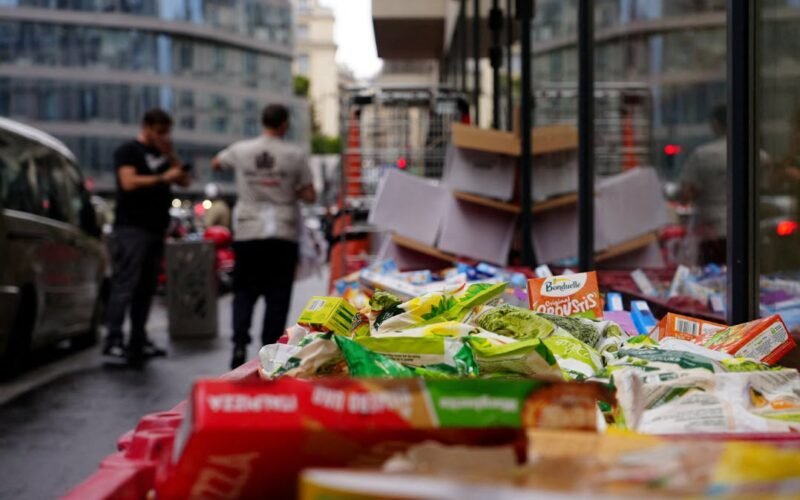
Paris (National Times): A disturbing cyberattack scenario involving supermarket refrigeration systems in France has raised serious concerns about the vulnerability of everyday infrastructure to digital sabotage. According to the account provided, hackers remotely altered temperature settings on thousands of freezers, refrigerators and chilled display cabinets, reportedly driving temperatures from as low as –27°C to above 50°C. If confirmed, such an incident could rapidly compromise frozen and chilled food, cause substantial financial losses and create serious food-safety risks.
Supermarket refrigeration systems are essential to preserving meat, seafood, dairy products, frozen goods and other temperature-sensitive items. A sudden rise in temperature could leave products unsafe even if they later appear cold again. Food that has been exposed to unsafe temperatures may need to be discarded, while affected stores could face disrupted operations, equipment inspections and costly stock replacement. Customers could also be exposed to risk if compromised products remain on sale.
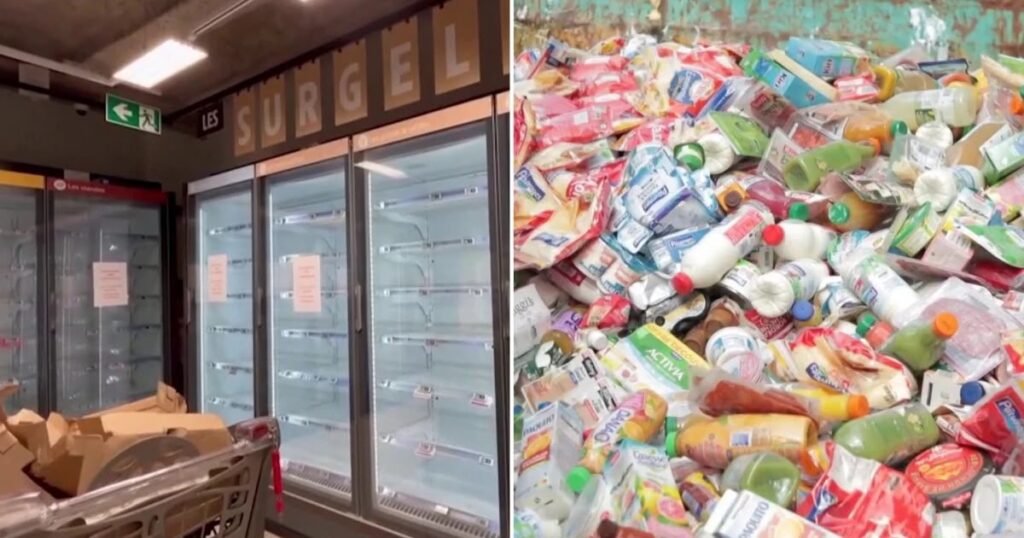
The alleged attack highlights a growing cybersecurity challenge: refrigeration equipment and other operational technology are increasingly connected to remote monitoring and management systems. If attackers gain unauthorised access to those systems, they may be able to interfere with physical equipment rather than merely steal data or disrupt websites. Weak passwords, outdated software, insecure remote access and insufficient separation between business networks and equipment controls can increase exposure.
Supermarket operators and technology providers must treat such systems as critical infrastructure, using strong authentication, restricted remote access, network segmentation, continuous monitoring and independent temperature alarms. Staff should also have clear procedures to isolate compromised equipment, verify food temperatures and prevent potentially unsafe products from being sold.
