

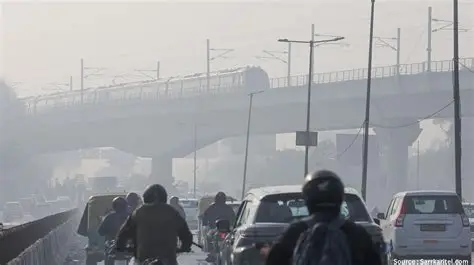
New Delhi (Gurpreet Singh) — In a decisive push to combat hazardous winter air quality, the Delhi government has announced a comprehensive four-month regulatory framework set to reshape workplace routines, civil construction, and vehicular transit across the capital. The proactive measures, running from November 1 to February 28, represent a strategic transition away from sporadic emergency interventions toward pre-emptive, simultaneous curbs on major emission sources, including airborne building dust, vehicular exhaust, and daily commuting patterns.
Under the newly announced directives, all dust-generating private and commercial construction and demolition activities will face a blanket prohibition across the city. Regulatory restrictions will tighten substantially during the critical peak pollution window between December 10 and January 20, during which trucks hauling bulk raw materials such as sand, cement, and stone aggregate from neighboring states will be barred from crossing into the capital. The restrictions are projected to impact supply chains and building schedules for non-essential infrastructure and commercial projects while granting exemptions only to urgent emergency and public utility services.
Workplace protocols and daily commuting patterns are also slated for major changes to suppress peak-hour road congestion. Both government and private corporate offices will be mandated to operate with half of their personnel working remotely, maintaining a strict 50 percent cap on physical on-site staffing. To further alleviate transit surges, working hours will be staggered: Municipal Corporation of Delhi facilities will operate from 8:30 a.m. to 5:00 p.m., while Government of Delhi administrative offices will run from 10:00 a.m. to 6:30 p.m..
To discourage the use of personal motor vehicles, municipal authorities will double parking tariffs at authorized public lots throughout the winter period, though parking stations operated by the Delhi Metro Rail Corporation will remain exempt. Concurrently, non-commercial passenger vehicles registered outside Delhi that fail to comply with BS-VI emission standards will face entry bans, with explicit carve-outs preserved for electric, compressed natural gas, and emergency fleet vehicles.
The framework also intensifies compliance at fuel stations through a permanent, year-round ‘No PUC, No Fuel’ mandate. Petrol pumps and fuel dispensaries across the capital will be integrated with centralized digital databases, such as VAHAN and the National Pollution Registry, to deny fuel to vehicles lacking authenticated Pollution Under Control certifications. While the sweeping directives present a unified regulatory strategy, administrative oversight and multi-agency field enforcement will remain the decisive factors determining whether the curbs can curb dangerous winter smog.
