

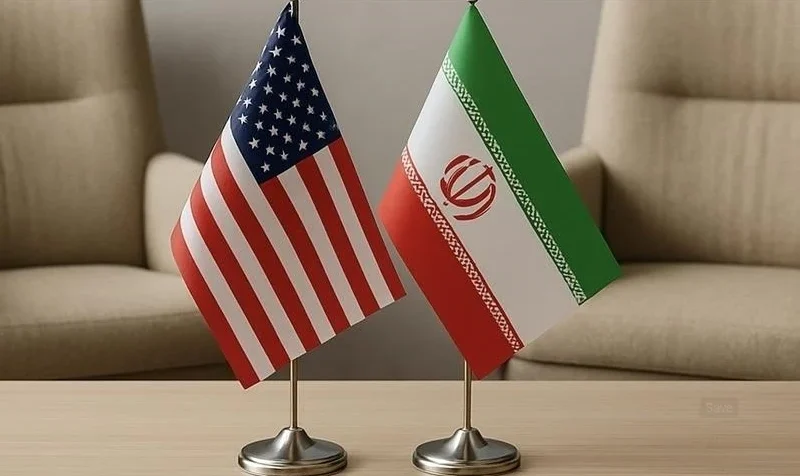
Washington/Tehran (Rajeev Sharma): The conflict between the United States and Iran intensified further after American forces launched another series of coordinated air and missile strikes on multiple Iranian locations early Wednesday, extending their military campaign into an 11th straight night. Alongside the fresh offensive, US President Donald Trump warned that Washington could soon target one of Iran’s suspected underground nuclear facilities, raising fears of a dangerous new phase in the conflict.
Iranian authorities reported that the latest attacks struck the cities of Chabahar, Konarak, Tabriz, Behbahan and Omidiyeh, with several military-related sites believed to have been hit. The overnight operation came as both countries continued exchanging threats despite diplomatic efforts by regional players to ease tensions.
President Trump said the United States was prepared to launch a “major” strike against the Pickaxe Mountain nuclear complex, which Washington believes is linked to Iran’s nuclear programme. His remarks have fuelled concerns over a possible direct confrontation involving strategic nuclear infrastructure.
Responding to the warning, Tehran cautioned that continued American attacks could trigger a broader regional conflict, indicating that its response would not remain limited if military operations escalate further.
Meanwhile, the financial burden of the war continues to mount. US Defence Secretary Pete Hegseth stated that American military operations have already cost approximately 37.5 billion US dollars, or nearly ₹3.2 lakh crore, reflecting the scale of Washington’s involvement since hostilities resumed.
Regional tensions continue to rise
The conflict has also begun disrupting international energy routes. Reports indicate that two oil tankers transporting Saudi crude to India and China changed their route after Yemen’s Houthi rebels threatened vessels operating in the Red Sea. The ships reportedly diverted towards the Suez Canal to avoid potential attacks.
In another significant development, the Pentagon acknowledged that nearly 100 American service personnel have been injured in Iranian attacks since early July. Defence officials said most of those injured have recovered and resumed active duty.
Qatar has formally submitted a complaint to the United Nations Security Council, holding Iran responsible for recent attacks on its territory and demanding compensation for the damage caused.
President Trump also confirmed that one Iranian strike in Jordan had successfully hit its target, resulting in the deaths of two US soldiers, a development that has added further pressure on Washington to intensify its military response.
Diplomatic efforts continue
Even as military operations expand, diplomatic engagement has not completely stopped. Iranian Interior Minister Eskandar Momeni arrived in Pakistan for high-level meetings with Army Chief General Asim Munir and Prime Minister Shehbaz Sharif, with Islamabad continuing its efforts to encourage dialogue between the two sides.
However, with repeated missile exchanges, rising casualties, disruptions to global shipping and increasingly direct references to Iran’s nuclear facilities, the crisis appears to be entering a more volatile stage. Security analysts warn that any strike on sensitive nuclear infrastructure could dramatically widen the scope of the conflict, posing serious risks to regional stability and global energy markets.
