

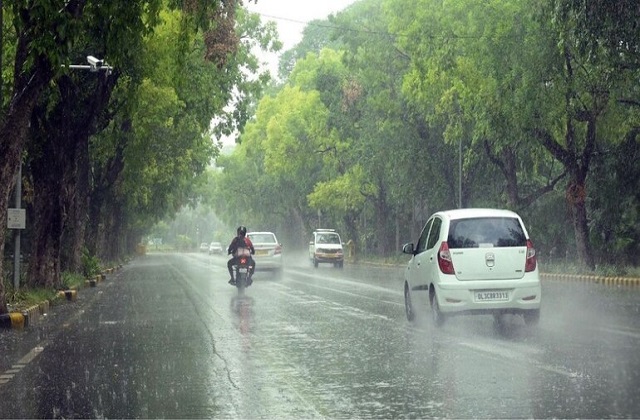
Chandigarh (Gurpreet Singh): Punjab continues to experience a temporary break in monsoon activity, with soaring temperatures and high humidity making weather conditions increasingly uncomfortable across the state. While isolated showers are expected in several districts over the coming days, meteorologists say widespread rainfall is unlikely until fresh weather systems become active later this week.
The India Meteorological Department (IMD) has issued a Yellow Alert for hot and humid conditions in parts of southern Punjab, including Bathinda, Mansa, Barnala, Muktsar, Faridkot, Moga, Fazilka and Ferozepur. Residents have been advised to avoid prolonged exposure to the afternoon sun and remain prepared for sudden changes in weather.
Scattered rain accompanied by thunderstorms is forecast in districts such as Amritsar, Gurdaspur, Pathankot, Tarn Taran, Hoshiarpur, Kapurthala, Rupnagar, Mohali, Fatehgarh Sahib and Shaheed Bhagat Singh Nagar. Weather experts believe these showers will remain localized and may not significantly reduce overall temperatures.
The lack of consistent rainfall has resulted in a steady rise in mercury levels across Punjab. Several cities recorded temperatures above the seasonal average, with Faridkot emerging as one of the hottest locations after the maximum temperature crossed 41 degrees Celsius.
According to meteorologists, the present weather pattern is being influenced by the weakened position of the monsoon trough, which has shifted away from Punjab. Although moisture remains available in the atmosphere, the absence of a strong low-pressure system or cyclonic circulation has prevented the development of widespread rainfall.
Officials expect the situation to change after July 19, when a fresh Western Disturbance is likely to interact with monsoon winds. This could revive rainfall activity across the region and bring much-needed relief from persistent heat and humidity.
In the meantime, isolated thunderstorms accompanied by gusty winds of 40–50 kmph, with occasional gusts touching 60 kmph, may occur in some districts.
Water storage levels in the state’s key reservoirs remain under control despite the pause in rainfall. Data released by the Bhakra Beas Management Board (BBMB) shows that both Bhakra and Pong dams continue to operate well below their danger levels, with inflow and discharge remaining balanced.
The prolonged spell of humid weather has also led to a spike in electricity consumption. Punjab’s power demand has exceeded 15,000 MW, prompting the state to draw additional electricity from the national grid to maintain uninterrupted supply. Officials, however, said the power network remains stable and capable of handling the increased load.
Weather authorities have advised people to remain cautious, particularly during the afternoon hours, as the combination of intense heat and humidity could lead to dehydration and heat-related illnesses until monsoon activity regains strength later this month.
