

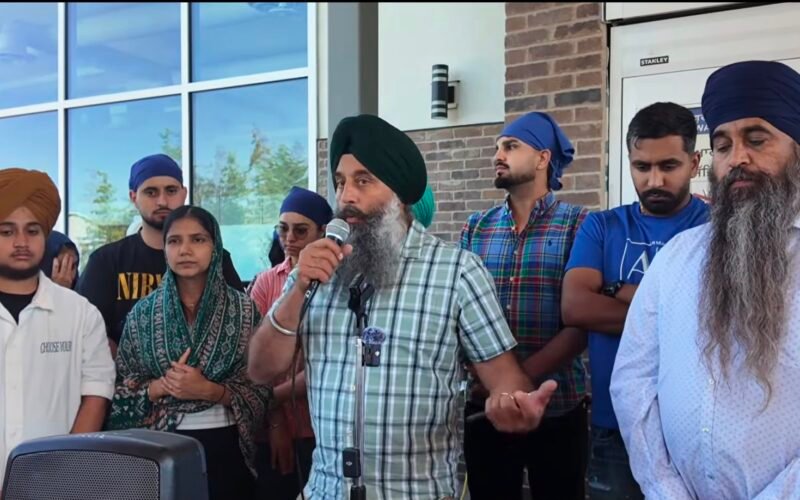
Calgary (Rajeev Sharma): A growing number of international graduates in Alberta are raising concerns after receiving Post-Graduation Work Permit (PGWP) refusals, creating uncertainty for students who say they completed their studies with the expectation of gaining Canadian work experience after graduation. Students involved in the matter say approximately 250 graduates may have been affected, although this figure has not been independently verified.
The concerns involve graduates from programs connected with Portage College Calgary and partner campus locations in Alberta. Several students say their PGWP applications were refused after they completed their studies, and they are now seeking clarity regarding the reasons behind the decisions and what options may be available to them.
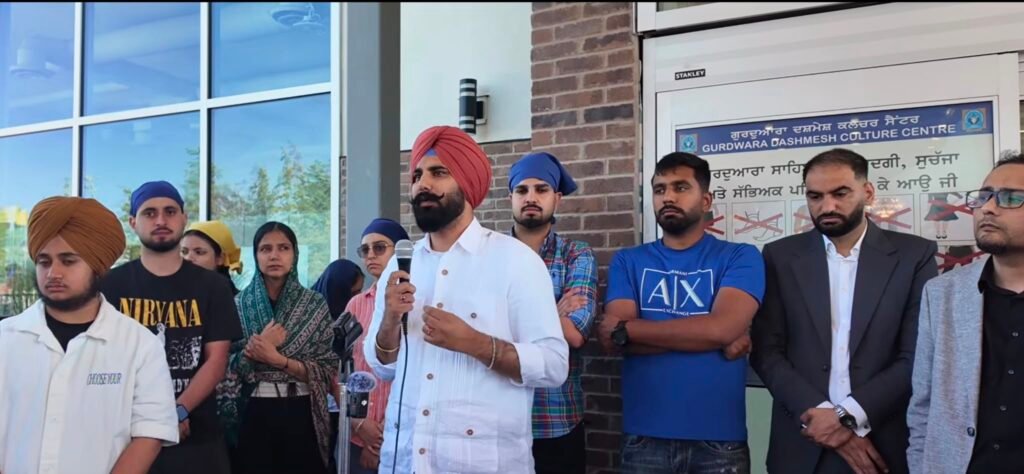
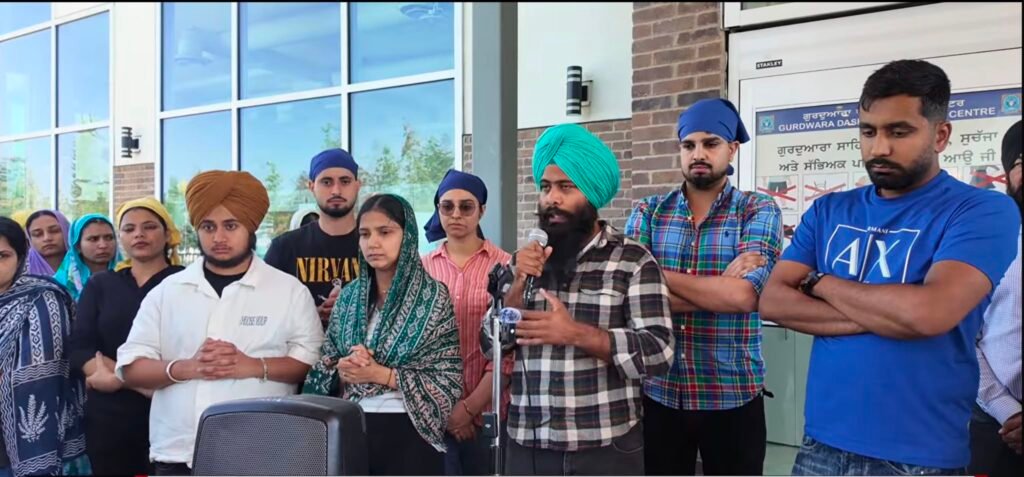
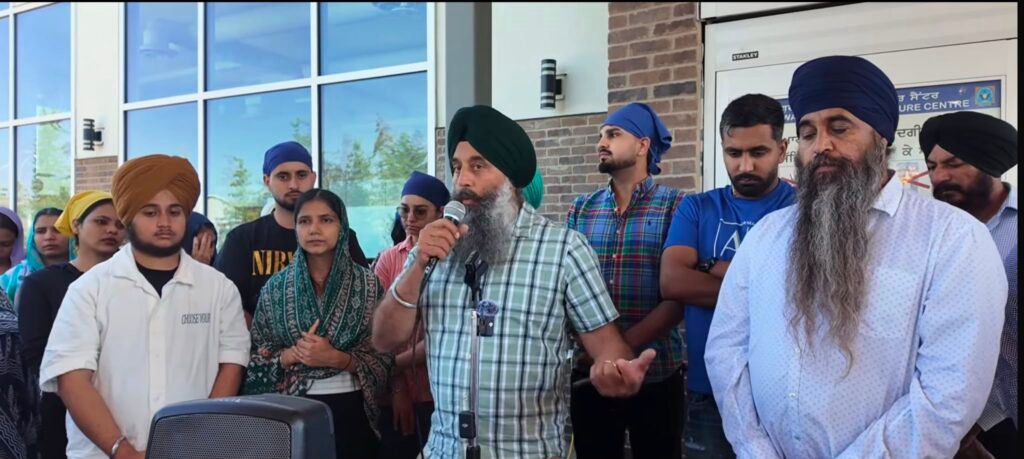
A large group of affected students recently gathered at a Northeast Calgary Sikh temple to share their experiences, review refusal letters, and discuss possible next steps. Students said the gathering provided an opportunity to support one another and understand the challenges faced by fellow graduates.
Among those attending were Sikandar, Jaskaran, Manpreet, Sukhman Kaur, and Ashish Boora. Sikandar said many students are facing significant uncertainty after receiving refusal decisions.
“Many students came to Canada with dreams of studying, working hard, and building their future here. We completed our programs and followed the process, but now many students are worried about what comes next after receiving PGWP refusals,” Sikandar said.
Students said they made major financial commitments to pursue education in Canada, including international tuition fees, accommodation costs, and living expenses. Many graduates said they planned to enter the Canadian workforce, gain professional experience, and explore future immigration opportunities.
During the meeting, students said MLA Parmeet Singh Boparai spoke with them about their concerns and assured them that he would do his best to help raise the issue. Students said the conversation provided some hope that their concerns would receive attention.
DCC Chairman Ranbir Parmar also addressed the gathering and encouraged students to remain calm, respectful, and follow legal processes while seeking solutions. According to students present, he emphasized that efforts should continue to find a possible way forward while working within the law.
Students are calling for greater transparency and clearer communication regarding PGWP eligibility requirements, particularly for international students making major educational and financial decisions in Canada.
Immigration experts say PGWP applications are assessed individually by the Government of Canada under federal immigration regulations. Decisions may depend on several factors, including program eligibility, institutional requirements, study history, and immigration rules in effect at the time of assessment.
Experts advise affected graduates to carefully review their refusal letters and seek qualified immigration advice to understand their available options and any applicable deadlines.
The situation has raised broader concerns among international students about communication surrounding education programs, partner delivery arrangements, and changing immigration policies that may impact graduates.
There has been no public finding of wrongdoing against Portage College or its partner campuses, and a PGWP refusal alone does not indicate misconduct by an educational institution. Immigration decisions are made by federal authorities based on individual applications and applicable regulations.
Students say they will continue gathering information, supporting affected graduates, and seeking answers from relevant stakeholders as they navigate the uncertainty surrounding their future in Canada.
National Times Media will continue to follow this developing story and provide updates as responses are received from Immigration, Refugees and Citizenship Canada (IRCC), Portage College, student representatives, and elected officials.
