

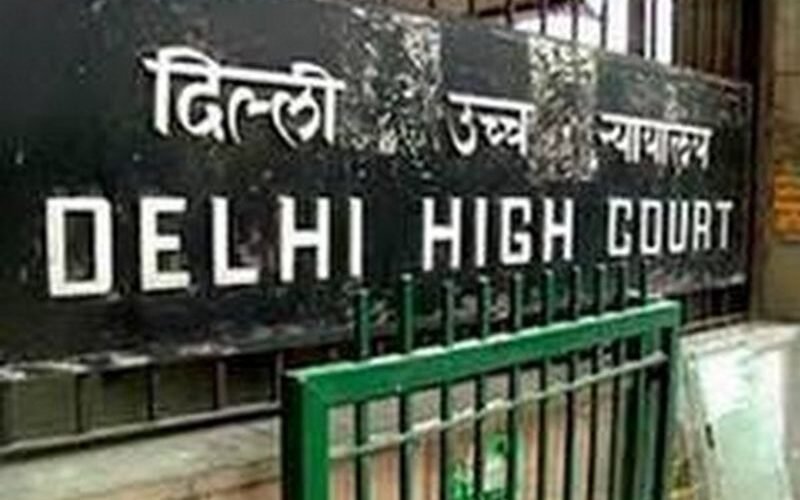
New Delhi (Gurpreet Singh) — The Delhi High Court has granted permission to a 17-year-old boy to donate a portion of his liver to his critically ill father, ruling that the case meets the criteria for “exceptional medical grounds” outlined under the Transplantation of Human Organs and Tissues Rules, 2014. The petition was submitted by the minor through his mother and natural guardian, requesting directives for the authorities to authorize the procedure.
The minor’s father, Uttam Kumar Shaw, is currently undergoing treatment at the Institute of Liver and Biliary Sciences (ILBS) in Vasant Kunj. He is battling advanced chronic liver disease accompanied by cirrhosis, portal hypertension, mild ascites, and hepatocellular carcinoma. Medical experts informed the court that the father’s condition is life-threatening and highly time-sensitive, making a liver transplant the only viable lifesaving treatment available.
During the proceedings, the Delhi government’s counsel presented a formal letter dated June 29, 2026, confirming that the Lieutenant Governor of Delhi and the appropriate authority had officially approved the minor’s request to proceed with the partial organ donation.
In its observation, the High Court noted that while Rule 5(3)(g) of the relevant framework generally prohibits organ donation by minors, it provides room for exceptions under extraordinary medical circumstances. The court emphasized that while no absolute statutory ban exists, any legal framework governing minor organ donation must be followed meticulously.
Upon reviewing the medical records, the court established that the father required an immediate transplant and that the biological son was the only medically compatible living donor available among the patient’s near relatives. Furthermore, the court verified that the minor qualifies as a “near relative” under Section 2(i) of the Act, is physically fit to undergo the procedure, and expressed a voluntary willingness to donate out of love and affection, free from any coercion or commercial interests.
Citing similar historical precedents where permissions were granted under comparable conditions, the Bench found no legal impediment to the request. The court stated that the balance of convenience leaned heavily toward allowing the transplant, noting that denying permission could result in the loss of the father’s life.
Exercising its powers under Article 226 of the Constitution, the High Court allowed the petition. Representatives from ILBS informed the court that the hospital had been awaiting the judicial mandate and would now move expeditiously to schedule the transplant surgery. The High Court concluded by directing the hospital to ensure the procedure is conducted in strict compliance with all clinical, ethical, and legal protocols to safeguard the health of the minor donor.
