

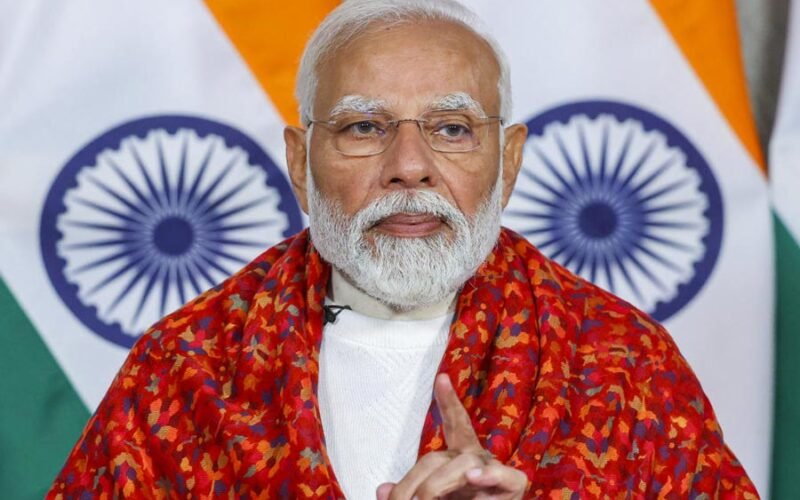
New Delhi (Gurpreet Singh): Prime Minister Narendra Modi’s recent call for national austerity has ignited a significant debate within India’s bullion markets and among economic analysts. The Prime Minister urged citizens to curb unnecessary gold purchases and reduce petrol and diesel consumption in a strategic bid to safeguard the country’s foreign exchange reserves. While some economists view this as a necessary step to fortify national financial stability and reduce the trade deficit, the jewellery industry has expressed deep concern regarding the potential economic fallout for millions of workers. The All India Gem and Jewellery Domestic Council warned that a sharp decline in gold demand could jeopardize the livelihoods of nearly ten million people involved in the sector.
India remains one of the largest consumers of gold globally, where the precious metal is not merely a luxury item but a vital tool for investment, religious traditions, and dowries. Current estimates suggest that between three to five million jewellery and bullion traders operate across the country, many of whom are small-scale, local shopkeepers. For these traders, particularly in smaller towns and rural areas, gold sales are the backbone of their business. Any long-term shift in consumer behaviour could lead to a cascading effect, impacting everyone from high-end designers to local artisans, polishers, and labourers who rely on the wedding season for the bulk of their annual income.
Experts suggest the Prime Minister’s appeal is directly linked to the mounting pressure on India’s import bill. Since India imports the vast majority of its gold and crude oil, these transactions require massive amounts of US dollars, which puts significant pressure on the valuation of the rupee. By encouraging a temporary reduction in non-essential spending, the government aims to stabilise the currency and redirect capital toward more productive domestic sectors. However, the market reacted swiftly to the announcement, with shares of several prominent jewellery companies experiencing a notable decline as investors weighed the possibility of a prolonged slump in demand.
The situation has created a complex dilemma described by market analysts as a choice between national interest and commercial survival. On one hand, controlling the consumption of imported commodities is an effective way to manage a foreign exchange crisis. On the other hand, gold represents a unique form of social and economic security for the Indian middle class, making it difficult to suppress demand through appeals alone. As the debate continues to trend across social media and financial forums, the true impact of this austerity drive will likely become clearer during the upcoming festive and wedding seasons, which historically drive India’s massive appetite for gold.
