

Tehran (Rajeev Sharma): The uneasy truce between the United States and Iran came under renewed strain after American forces reportedly launched retaliatory strikes near Iran’s southern coastal region following attacks on US naval vessels in the Strait of Hormuz.
US military officials stated that Iranian missiles, drones and fast-moving boats targeted three American Navy ships patrolling the strategic maritime corridor on Thursday. According to the US Central Command, the attacks were intercepted before causing any damage, after which American forces carried out counterstrikes on Iranian military positions believed to be linked to the operation.
The confrontation reportedly involved areas near Qeshm Island and Bandar Abbas, both strategically important locations along the Persian Gulf. Iranian state-linked media acknowledged explosions and air defence activity in the region but stopped short of directly confirming American strikes.
US President Donald Trump described the military response as decisive, claiming American forces had reacted strongly to what he called Iranian provocation. However, he insisted the ceasefire between the two countries had not collapsed and said negotiations for a broader agreement were still underway.
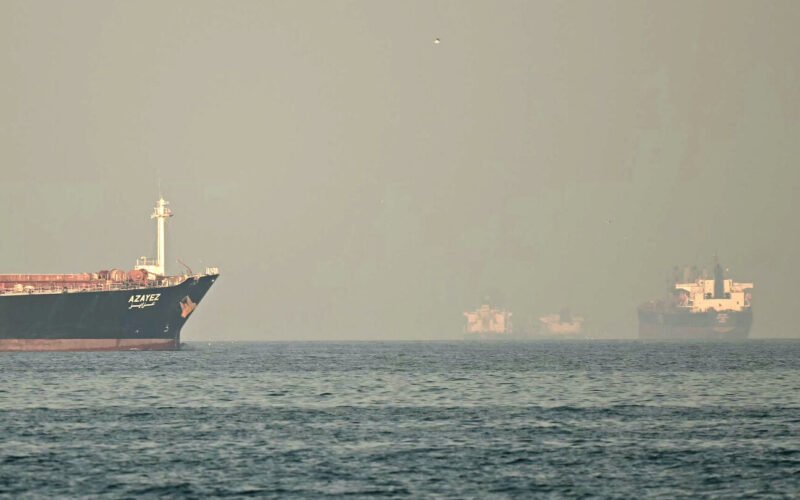
The latest exchange has deepened concerns over security in the Strait of Hormuz, a vital global shipping route through which a major portion of the world’s oil supply passes daily. Shipping companies and energy markets remain tense as uncertainty continues over the safety of commercial movement in the Gulf.
Adding to international concern, reports emerged that Iran has established a new authority to monitor and regulate ships entering the strait. Maritime analysts believe the move could further complicate freedom of navigation and increase pressure on global trade routes already affected by months of conflict.
Meanwhile, diplomatic channels remain active. Pakistan, which has been mediating discussions between Tehran and Washington, said efforts are continuing to secure a long-term agreement. Iranian officials confirmed they are reviewing fresh proposals from the US side but have not yet announced a final decision.
The United Nations and several Gulf nations have also called for restraint amid fears that further military action could destabilise the wider Middle East. International observers warn that repeated confrontations in the Gulf could trigger disruptions in oil supplies and push fuel prices higher worldwide.
While both Washington and Tehran continue to publicly support negotiations, Thursday’s military exchange has once again exposed how fragile the current ceasefire remains.
