

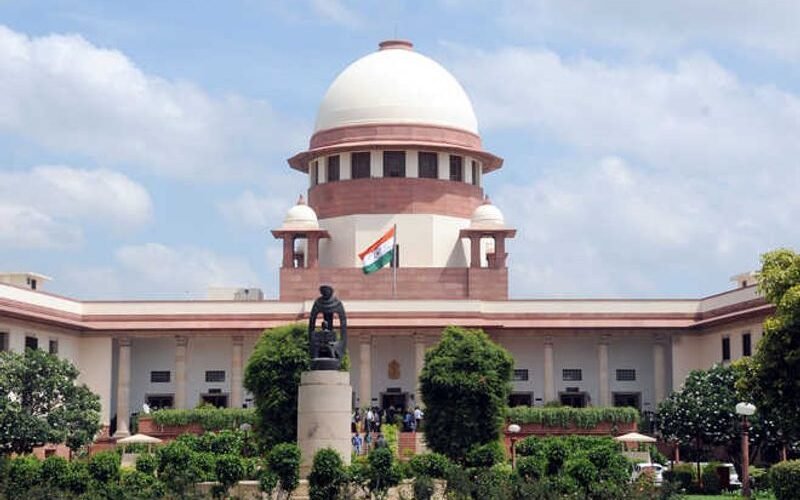
New Delhi (Gurpreet Singh): The Supreme Court of India expressed sharp disapproval on Tuesday regarding the growing misuse of Public Interest Litigation, suggesting the legal instrument has increasingly devolved into a tool for personal and political gain. During the eleventh day of hearings concerning the Sabarimala temple review, a nine-judge Constitution Bench led by Chief Justice Surya Kant observed that many such filings have shifted from serving the genuine public interest to becoming what they termed “Private,” “Publicity,” “Paisa,” and “Political” interest litigations. The bench is currently examining petitions seeking a review of the 2018 verdict that overturned the restriction on women of menstruating age entering the Lord Ayyappa temple in Kerala, and the justices took the opportunity to question the fundamental motives behind the original 2006 petition.
Justice BV Nagarathna joined the Chief Justice in criticizing the reliance on newspaper reports as a primary basis for judicial action, noting that while the courts are open to the general public in need, they should not be used to litigate issues manufactured by media articles. The bench was particularly critical of the Indian Young Lawyers Association, asking the group’s representative if they considered themselves the “chief priest of the country” and labelling the petition an abuse of the process of law. The justices suggested that the organization should prioritize the welfare of its younger members and the legal bar rather than involving itself in specific religious practices where it lacks a direct stake or a clear cause of action rooted in personal conscience.
The current legal proceedings stem from a landmark 4:1 ruling in 2018, which opened the doors of the hilltop shrine to women of all ages, effectively ending a centuries-old tradition that restricted those between the ages of 10 and 50. While the initial decision was framed as a victory for gender equality, it was met with significant resistance and a notable dissenting opinion from Justice Indu Malhotra, who argued for the protection of diverse religious practices. In 2019, the Supreme Court enlarged the scope of the review to address broader questions of discriminatory practices across various religions, leading to the formation of the current nine-judge bench tasked with resolving these complex constitutional questions.
