

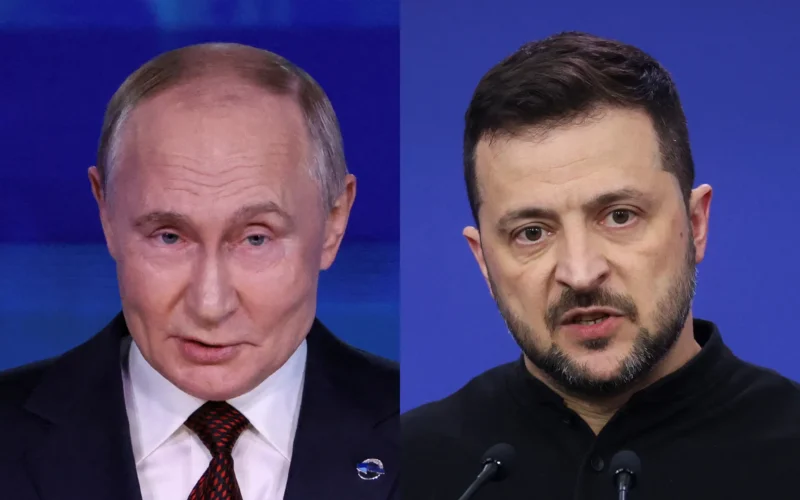
Moscow (Rajeev Sharma): A cautious and complicated silence has begun to descend across the frontlines of Eastern Europe as both Russia and Ukraine have declared individual ceasefires ahead of the 81st anniversary of Victory Day. Moscow kicked off the diplomatic maneuvering by announcing a pause in hostilities for this coming Friday and Saturday to commemorate the 1945 defeat of Nazi Germany. However, the Kremlin’s gesture arrived with a sharp edge; the Russian Ministry of Defence issued a stern ultimatum, warning that any perceived disruption of the holiday ceremonies would be met with a massive missile barrage targeting the heart of Kyiv. It is a classic display of the carrot and the stick, offering a brief respite while simultaneously keeping a finger firmly on the trigger.
In Kyiv, President Volodymyr Zelenskyy responded with a characteristic blend of pragmatism and defiance. He announced that Ukraine would honour its own truce starting at midnight on Wednesday, though he was notably vague about when exactly that pause would end. Zelenskyy made it clear that while his forces might be holding their fire, they are by no means looking away. He stressed that any Russian aggression during this period would be met with an immediate and proportional response, essentially telling the Kremlin that a ceasefire is a two-way street and that Ukraine will not be intimidated by threats of renewed aerial bombardment.
The ceremonial landscape in Russia also looks quite different this year, reflecting the persistent anxieties of a long-running conflict. For the first time in nearly two decades, the grand military parade through Moscow’s Red Square will proceed without its signature display of heavy tanks and massive hardware. Security officials have reportedly opted to scale back the event to mitigate the risk of potential drone strikes, which have become a recurring headache for the Russian capital. The decision to strip the parade of its armoured columns is a quiet admission of the security challenges the state currently faces, even as it prepares to celebrate its historical military might.
Adding to the sense of unease, Russian authorities have issued warnings to foreign embassies and civilians in Kyiv, advising them to evacuate the city. This move suggests that the temporary truces are less about a genuine path toward peace and more about a tactical breather during a high-stakes symbolic window. While Victory Day remains a cornerstone of national identity and pride for Vladimir Putin, the stripped-down celebrations and the mutual suspicion between the two capitals indicate that once the holiday passes, the cycle of conflict is likely to resume with its usual intensity. For now, the world watches to see if this brief interval of quiet will hold or if it is merely the eye of a continuing storm.
