

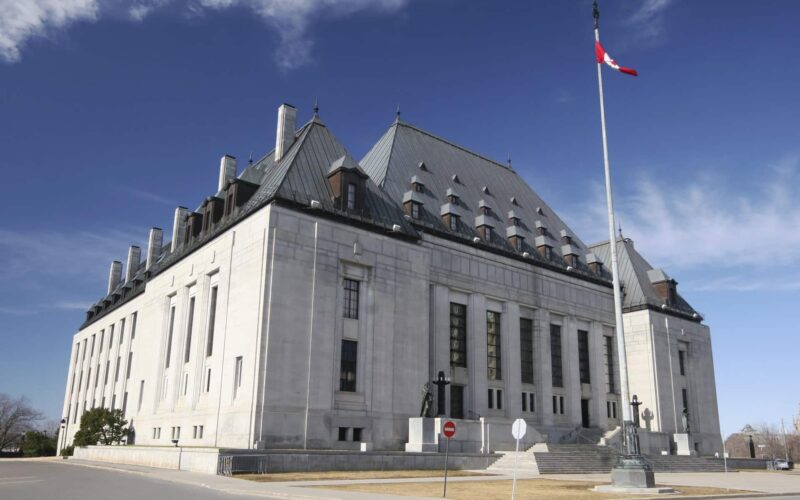
Ottawa (Rajeev Sharma): In a landmark decision delivered on Friday, March 6, 2026, the Supreme Court of Canada ruled that the Quebec government’s policy of denying asylum seekers access to subsidized daycare spaces (CPE) is discriminatory. The court found that the provincial regulations specifically marginalized female refugee claimants, hindering their ability to integrate into society and participate in the workforce. This ruling marks the third time the judiciary has struck down the province’s restrictive stance on this issue.
The case centered on a woman from the Democratic Republic of Congo who, after applying for asylum in Canada, obtained a valid work permit. Despite her legal status to work, the Quebec government denied her three children access to the province’s heavily subsidized childcare network. Under the provincial rules, access to the $9-a-day spaces was strictly reserved for individuals who had already been formally granted refugee status by the federal government—a process that often takes years.
The Supreme Court’s Friday ruling emphasized that blocking access to affordable childcare creates a systemic barrier for asylum seekers, particularly women, who are often the primary caregivers. The justices argued that without subsidized daycare, these women are effectively barred from the labour market, further isolating them from the social and economic fabric of the province. The court noted that such regulations “threaten to marginalize” a vulnerable segment of the population at a critical stage of their resettlement.
The decision is expected to have immediate implications for thousands of families currently navigating the asylum process in Quebec. While the provincial government has previously defended its policy by citing limited space in the highly sought-after CPE network, the court’s ruling mandates a more inclusive approach that aligns with Charter rights. Legal advocates for refugees have hailed the decision as a victory for human rights, asserting that access to basic services like childcare should be based on need and the right to work, rather than the finality of a refugee claim.
