

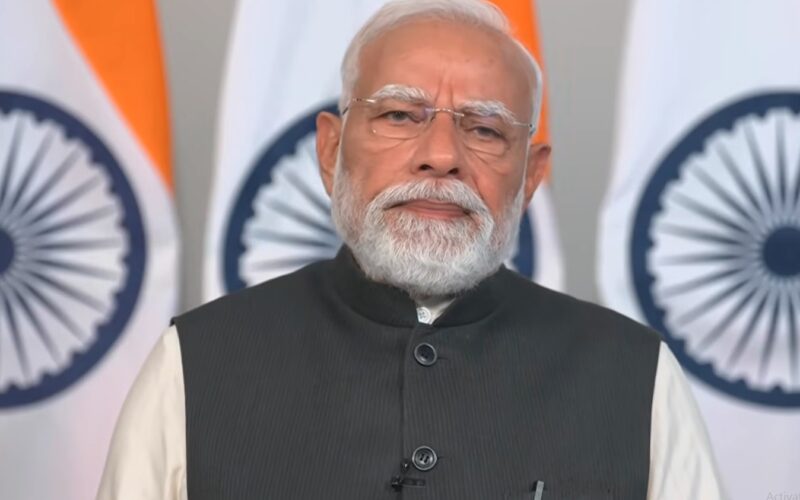
New Delhi (Gurpreet Singh/Rajeev Sharma): As instability deepens across West Asia, Prime Minister Narendra Modi on Monday connected with Israeli Prime Minister Benjamin Netanyahu to exchange views on the unfolding security situation and its wider implications.
Sources indicated that the leaders reviewed recent developments in the region, where military actions and counter-strikes have sharply intensified tensions. During the call, Modi voiced India’s apprehensions about the escalating conflict and highlighted the urgent necessity of protecting civilian populations caught in the crossfire.
Sharing details of the interaction on social media platform X, the Prime Minister said India has consistently advocated restraint and dialogue. He underlined that an early end to hostilities would be critical to restoring stability and preventing further humanitarian distress.
The diplomatic outreach comes amid heightened confrontation involving Iran, Israel and the United States. The situation worsened following coordinated strikes targeting Iran and the reported death of the country’s Supreme Leader, Ayatollah Ali Khamenei. In retaliation, Iran launched a series of missile attacks aimed at Israeli territory and other parts of the region, raising fears of a broader regional fallout.
New Delhi has been closely observing the crisis, given its longstanding ties with nations across West Asia and the presence of a large Indian diaspora in Gulf countries. India has maintained a balanced approach, urging all sides to prioritise diplomacy over confrontation.
A day prior to his conversation with Netanyahu, Modi also spoke with UAE President Sheikh Mohamed bin Zayed Al Nahyan, strongly condemning attacks on the Gulf nation and reaffirming India’s support during the ongoing turmoil.
Through back-to-back engagements with key regional leaders, India has signalled its intent to remain diplomatically active while reiterating its call for peace, stability and the protection of innocent lives.
