

Ajmer (Gurpreet Singh)— In a major step toward enhancing women’s health security, Prime Minister Narendra Modi on Saturday, February 28, 2026, launched a nationwide Human Papillomavirus (HPV) vaccination campaign from Kayad in Ajmer. The initiative, aimed at eliminating cervical cancer in India, specifically targets 14-year-old girls across the country. During the high-profile inauguration, several young beneficiaries were administered the vaccine in the Prime Minister’s presence, followed by an interactive session where he emphasized the importance of preventive healthcare.
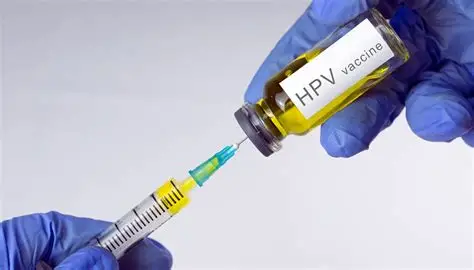
The campaign utilizes the “Gardasil 4” vaccine, a quadrivalent HPV vaccine administered in a single-dose format. Health officials confirmed that this specific injection provides robust protection against HPV types 16 and 18—the two primary strains responsible for the majority of cervical cancer cases—as well as types 6 and 11, which cause other related health complications. By integrating this vaccine into the national health framework, the government aims to significantly reduce the incidence of a disease that remains one of the leading causes of cancer-related deaths among Indian women.
In an official communication issued by the Union Health Ministry on February 25, the government directed all states to facilitate the rollout through their existing public health infrastructure. The vaccine will be available free of cost at all government health facilities, including Ayushman Arogya Mandirs (Primary Health Centres), Community Health Centres, and district hospitals, as well as government medical colleges. This decentralized approach is designed to ensure that even the most remote populations have access to the life-saving domestic health intervention.
Addressing the gathering in Ajmer, Prime Minister Modi remarked that the health of the nation’s daughters is a top priority for his administration. He highlighted that the “Made in India” momentum in the pharmaceutical sector has played a crucial role in making such large-scale public health drives feasible. Medical experts have hailed the move as a “game-changer,” noting that widespread HPV vaccination, combined with regular screening, could potentially make cervical cancer a rarity in India within the next few decades.
