

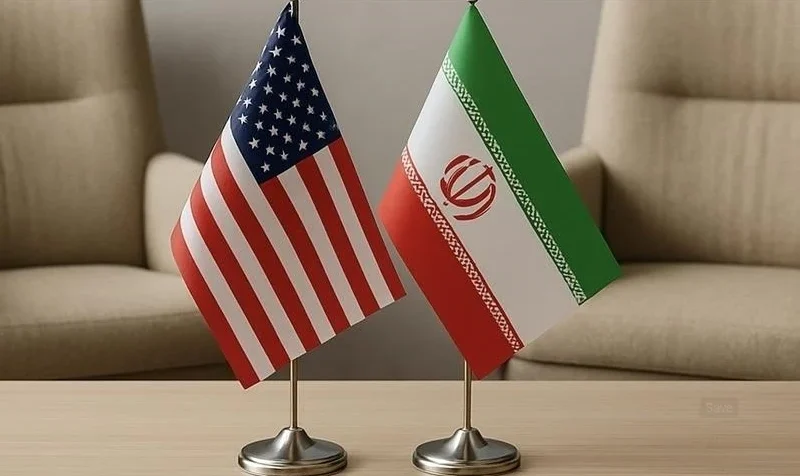
BURGENSTOCK (Rajeev Sharma): High-level delegations from the United States and Iran officially commenced critical, technical-level negotiations at the Burgenstock mountain resort on Sunday, marking a historic attempt to resolve decades of hostility and establish long-term stability across West Asia. Facilitated under the joint mediation of Qatar and Pakistan, the diplomatic proceedings aim to translate a recently finalized interim agreement into a comprehensive, binding treaty. Qatar’s Foreign Ministry confirmed the formal launch of the Lake Lucerne Summit, expressing optimism that the meetings will lead to a permanent resolution addressing all operational facets of the preliminary framework.
The Swiss-hosted summit serves as the first direct implementation round following a 14-point Memorandum of Understanding signed electronically by US President Donald Trump and Iranian President Masoud Pezeshkian. To steer the complex dialogue, mediators have structured specialized technical and expert panels tasked with refining the final operational terms, alongside dedicated follow-up groups designed to maintain strict structural oversight and monitor compliance. The diplomatic push is bound by a strict 60-day window to iron out core disputes, primarily focusing on the verifiable termination of Iran’s nuclear weapons capabilities, the systemic lifting of stringent US economic sanctions, and the unfreezing of billions of dollars in Iranian assets currently held overseas.
The high-stakes nature of the summit is underscored by the arrival of powerful political figures at the luxury resort. US Vice President JD Vance landed in Switzerland to head the American delegation, working alongside prominent technical advisors Steve Witkoff and Jared Kushner. Conversely, Tehran’s negotiating team is heavily weighted toward financial and legislative leverage, led by parliamentary speaker Mohammad Bagher Ghalibaf and Foreign Minister Abbas Araghchi, alongside senior officials from Iran’s central bank and oil ministry. The opening sessions were preceded by separate bilateral huddles, with the American team consulting Pakistani mediators while the Iranian delegation held preliminary talks with Qatari Prime Minister Sheikh Mohammed bin Abdulrahman bin Jassim Al Thani.
Despite the optimistic diplomatic layout, the summit faces immediate geopolitical friction that previously forced organizers to postpone the talks from Friday to Sunday. Recent intense military exchanges between Israel and Lebanon have severely strained the fragile framework, with Tehran warning that ongoing Israeli strikes constitute a direct violation of the MoU’s first clause mandating a comprehensive ceasefire on all regional fronts. The escalation has heavily impacted global energy security, creating a highly fluid situation around the strategic Strait of Hormuz. While Iran claims to have re-closed the critical maritime route—which handles roughly 20 percent of global energy supplies—in protest of the ongoing hostilities, the United States military firmly maintains that the waterway remains open to international vessels, adding immense economic urgency as negotiators begin their afternoon sessions.
