

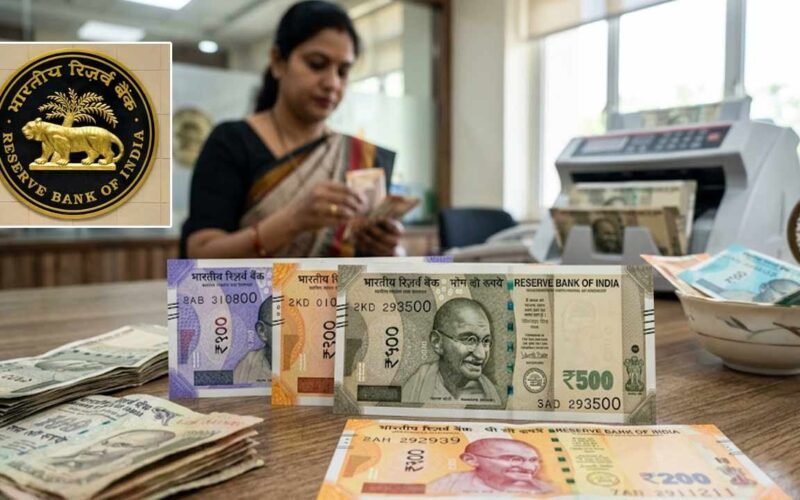
Rajeev Sharma :- The Reserve Bank of India (RBI) is actively considering the introduction of polymer-based plastic currency notes in the country as part of efforts to modernise the cash management system and reduce the rising cost of printing paper notes. The proposal was recently discussed during high-level board meetings held in Patna and Mumbai, with officials examining the long-term advantages of switching to more durable currency material.
According to sources, the central bank may soon begin a pilot project to test plastic notes for public circulation. The move comes at a time when demand for physical cash continues to rise despite the rapid growth of digital payments across the country.
The RBI’s latest annual report revealed that expenditure on currency printing increased significantly during the last financial year, largely due to the growing requirement for fresh banknotes. Officials believe polymer notes could help reduce replacement costs, as they generally last much longer than traditional paper currency and are less prone to wear and tear.
Damaged and soiled notes have remained a major challenge for the banking system. During FY25, billions of unusable notes were withdrawn from circulation, with ₹500 and ₹100 notes accounting for a major share. Experts say polymer notes are more resistant to moisture, dirt and physical damage, making them a more sustainable option for a country with heavy cash usage like India.
The RBI had earlier experimented with plastic notes in 2012 through a field trial involving ₹10 denomination notes in select cities. However, the initiative could not progress further at the time due to technical and operational limitations. With advancements in ATM technology and currency-handling systems over the past decade, officials now believe the transition could be implemented more smoothly.
Globally, polymer currency has already been adopted by nearly 60 countries. Australia pioneered the concept in 1988, followed by nations including Canada, Singapore, Malaysia and Romania. These countries reported longer currency life, lower replacement costs and improved security features after shifting to plastic-based banknotes.
Officials familiar with the discussions said the RBI is currently evaluating operational feasibility, production costs and compatibility with existing banking infrastructure before taking a final decision on wider implementation.
