

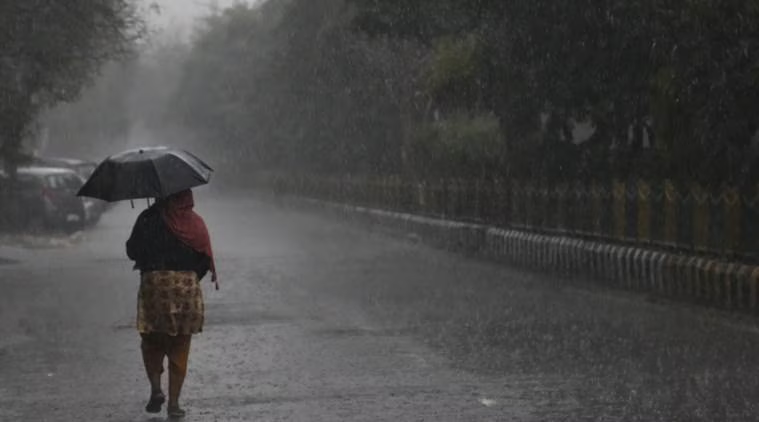
Chandigarh (Gurpreet Singh): Changing weather conditions across Punjab brought much-needed relief from soaring temperatures on Thursday, with several areas receiving light showers and overcast skies. The India Meteorological Department has warned that the unsettled weather pattern is likely to continue, issuing a Yellow Alert for multiple districts vulnerable to thunderstorms, lightning and strong winds.
According to the forecast, districts including Pathankot, Hoshiarpur, Ferozepur, Fazilka, Faridkot, Sri Muktsar Sahib, Bathinda and Mansa could witness moderate rainfall accompanied by gusty winds reaching up to 50 kmph. Chandigarh, meanwhile, is expected to remain partly cloudy, with only isolated chances of rainfall.
The changing weather is being attributed to an active Western Disturbance and a cyclonic circulation influencing atmospheric conditions over the region. Meteorologists believe these systems will keep rain activity alive until June 22, increasing the possibility of scattered showers across different parts of the state.
Even as clouds gather, daytime temperatures remain elevated. Bathinda emerged as the hottest location with the mercury climbing above 42 degrees Celsius, while Chandigarh recorded temperatures nearing 39 degrees. Officials expect intermittent rainfall to provide temporary relief but caution that humidity levels may remain high.
The hot weather has also driven electricity consumption upward. Punjab’s power demand crossed 13,000 MW during evening hours, with the state depending significantly on electricity supplied through the central grid to bridge the gap between demand and local generation.
Weather experts have advised residents to remain alert during thunderstorm activity and avoid taking shelter under trees or standing near power lines during lightning. With pre-monsoon conditions strengthening across northwest India, the coming days are expected to witness a mix of rain, gusty winds and fluctuating temperatures before the full arrival of the southwest monsoon.
