

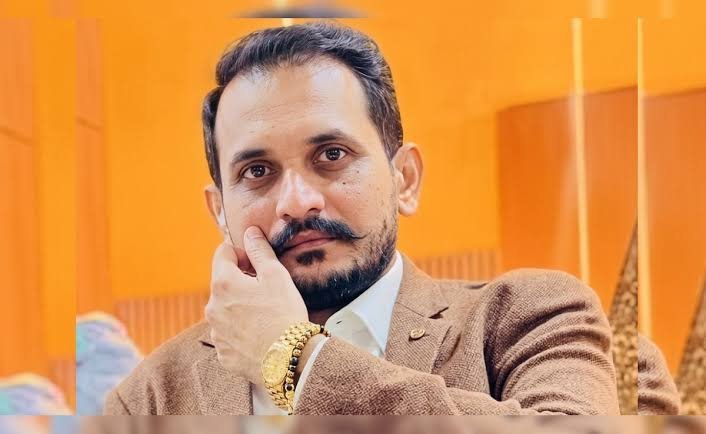
Gurpreet Singh :- Pakistani gangster-turned-terror handler Shahzad Bhatti has emerged as the alleged mastermind behind the IED explosion near the BSF headquarters in Jalandhar on May 5, with investigators claiming he is now operating as a major ISI-linked recruiter for sleeper cells inside India.
During the probe into the blast, security agencies reportedly uncovered a vast online network allegedly operated by Bhatti through Instagram and Telegram. More than 500 youths from Punjab, Haryana, Delhi, Uttar Pradesh, Bihar, Maharashtra and Rajasthan have been rounded up and questioned for suspected links with the Pakistan-based operative.
Investigators believe Bhatti has been using social media platforms to identify and influence vulnerable youngsters, particularly in northern states, while continuously creating new online accounts despite repeated crackdowns by intelligence agencies. Officials suspect the network was being expanded with the aim of building sleeper cells across multiple regions.
Sources involved in the investigation said 23 individuals have been marked as highly suspicious after several deleted conversations linked to Bhatti were traced from seized mobile devices. A total of 624 mobile phones have been confiscated and sent for forensic examination, while anti-terror agencies, including the Uttar Pradesh ATS, are conducting extensive operations.
One of the more startling findings during the investigation was that many of the Punjab-based individuals allegedly linked to Bhatti were working as bouncers. Security officials have questioned several such persons as part of the ongoing probe.
Bhatti’s name has now surfaced in connection with three major terror-linked incidents in Jalandhar over the past year and a half. On March 16, 2025, a grenade was hurled at the residence of YouTuber Roger Sandhu in Raipur Rasulpur village, though it failed to explode. Police later arrested Hardik Kamboj from Haryana’s Yamunanagar in connection with the conspiracy, which investigators claim was coordinated by Bhatti along with his close aide Zeeshan Akhtar.
In another incident during the night of April 7 and 8, 2025, a hand grenade attack targeted the residence of senior BJP leader and former Punjab minister Manoranjan Kalia near Shastri Market in Jalandhar. Investigators later traced Bhatti’s alleged links to Saeedul Amin, a suspected operative from Amroha in Uttar Pradesh.
The latest breakthrough came after the May 5, 2026 IED blast outside the BSF headquarters in Jalandhar. Investigators claim the accused, Umar Din alias Munir Khan alias Mittu, along with another suspect identified as Anil Sharma alias Mota, were in direct contact with Bhatti before the incident.
According to agencies, Bhatti follows a structured recruitment pattern. Officials allege he initially radicalises targets through social media before luring them with promises of easy money and foreign settlement opportunities in countries such as Canada, Dubai and Portugal.
Investigators further revealed that Bhatti’s sleeper-cell operations are designed in a compartmentalised manner, where each operative remains unaware of the identities and roles of others involved. From collecting drone-dropped weapons consignments to executing attacks, every task is handled separately through encrypted communication channels and coded instructions.
Officials say Bhatti allegedly transfers money in advance for assignments and communicates through encrypted messaging applications that convert messages and calls into coded formats accessible only to intended recipients. Security agencies now believe dismantling this digital terror ecosystem has become one of the biggest challenges in the ongoing investigation.
