

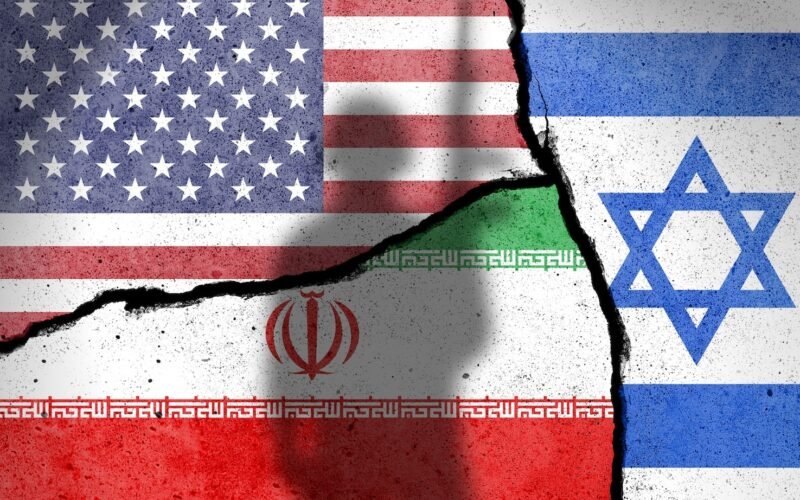
New Delhi (Rajeev Sharma): Financial markets across Asia opened on a strong note after the announcement of a peace agreement aimed at ending the conflict involving Iran, triggering a sharp rise in equities while easing pressure on crude oil prices.
Major stock indices in Japan and South Korea registered gains of over five per cent in early trade, reflecting renewed investor confidence. The positive momentum was also visible in futures trading on Wall Street, with expectations of a firm opening for major US indices.
The announcement by US President Donald Trump regarding the completion of an agreement and the reopening of the Strait of Hormuz boosted optimism over the restoration of normal energy supplies through one of the world’s most critical shipping routes. Although Iranian authorities acknowledged the understanding, they indicated that formal implementation would begin after an official signing ceremony expected later this week.
The energy market responded immediately to the development. Brent crude dropped by more than three dollars per barrel, while US benchmark crude also recorded a significant decline as fears of prolonged supply disruptions eased.
Market experts, however, cautioned that sustained stability would depend on the successful execution of the agreement. Shipping operators and insurance companies are expected to closely monitor developments before fully restoring confidence in maritime trade through the region.
Asian exchanges reflected the improved outlook, with Japan’s Nikkei posting one of its strongest sessions, supported by technology and artificial intelligence-linked stocks. South Korea’s benchmark index also witnessed a substantial jump, while markets in Australia and Taiwan ended firmly in positive territory.
Analysts believe the easing of geopolitical tensions could provide much-needed support to the global economy, which has been facing uncertainty since the outbreak of hostilities earlier this year. Reduced volatility in oil prices is also expected to help moderate inflationary pressures and lower fuel-related costs for businesses and consumers.
The latest developments have injected fresh optimism into global financial markets, though investors remain watchful for the official signing of the agreement and its long-term impact on regional stability and international trade.
