

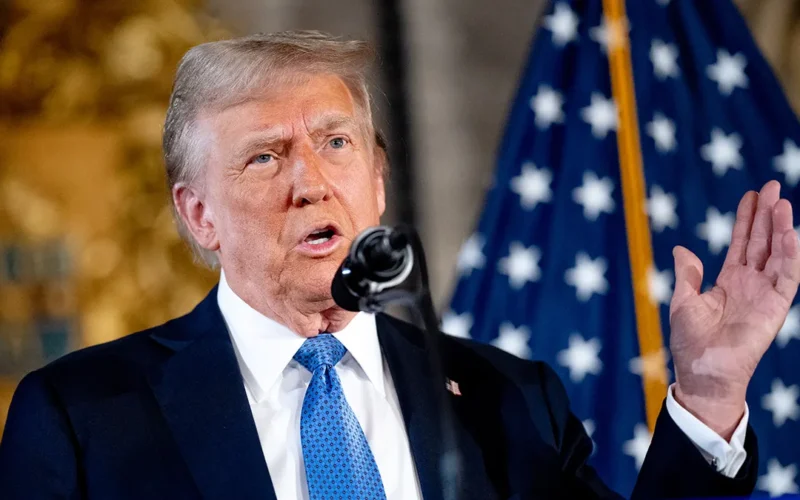
Washington (Rajeev Sharma): The fragile ceasefire between the United States and Iran has come under renewed strain after American forces launched another round of strikes on Iranian military assets, with President Donald Trump accusing Tehran of repeatedly violating the terms of the temporary truce.
According to the US military, the latest operation targeted 10 locations connected to Iran’s defence network, including facilities used for drone operations, missile storage, coastal surveillance and air defence systems. The strikes were carried out after Washington alleged that Iranian forces attacked a commercial oil tanker travelling through the Strait of Hormuz.
President Trump defended the military action, stating that the United States had responded to what he described as another breach of the ceasefire agreement. In a strongly worded statement, he warned that continued provocations by Tehran could trigger a much broader military response, adding that Iran risked severe consequences if attacks continued.
The operation marks another escalation in a conflict that had appeared to ease following an interim understanding reached between Washington and Tehran. The agreement was intended to create space for negotiations on a broader settlement covering Iran’s nuclear programme, regional security and maritime navigation.
US defence officials said the strikes were designed to reduce Iran’s operational capabilities rather than expand the conflict. They maintained that the action was a direct response to an attack on an oil tanker carrying millions of barrels of crude through one of the world’s busiest shipping routes.
The Strait of Hormuz remains a critical passage for global energy supplies, making any military activity in the region a matter of international concern. Shipping companies and maritime security agencies have been closely monitoring developments as tensions continue to rise.
Iranian media reported explosions in areas close to the Strait but did not immediately provide detailed information on casualties or the extent of the damage. Tehran has consistently maintained that it has the right to regulate movement through waters near its coastline, a position disputed by the United States and several regional allies.
The security situation became more complicated after Bahrain reported that drones had targeted its territory. Although authorities there did not report significant damage, the incident heightened fears that the conflict could spread beyond the immediate US-Iran confrontation.
American officials have reiterated that diplomatic channels remain open despite the latest military exchange. Negotiators from both countries are continuing efforts to resolve key issues, including the future of Iran’s nuclear activities and guarantees for the safe passage of commercial vessels through the Gulf.
However, analysts believe the renewed exchange of military action could make negotiations increasingly difficult. The repeated cycle of attacks and retaliation has raised doubts over whether the ceasefire can survive long enough for a comprehensive agreement to be reached.
As military deployments continue across the region and international shipping remains on high alert, governments around the world are closely watching the situation, fearing that any further escalation could have serious implications for regional stability, global energy markets and international trade.
