

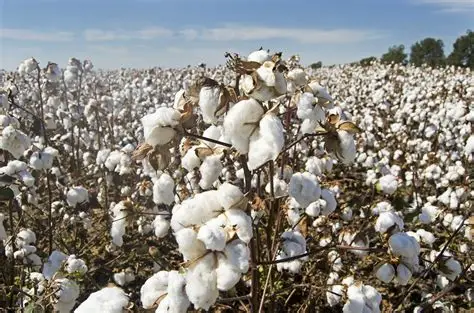
New Delhi (Gurpreet Singh): In a major relief for India’s textile and apparel sector, the Central Government has announced a temporary exemption from all customs duties on cotton imports from June 1, 2026, to October 30, 2026. The move aims to improve cotton availability in the domestic market, reduce raw material costs, and support textile manufacturers currently navigating rising cotton and yarn prices. According to the official gazette notification, the government exercised its power under Section 25(1) of the Customs Act, 1962, and Section 124 of the Finance Act, 2021, to exempt cotton falling under Customs Tariff Heading 5201 from the entire basic customs duty as well as the Agriculture Infrastructure and Development Cess (AIDC).
The decision is expected to benefit the entire textile value chain, including spinning mills, garment manufacturers, exporters, and consumers. Industry experts believe that lower import costs will help stabilise volatile domestic cotton prices and enhance the global competitiveness of Indian textile products, particularly helping small and medium enterprises secure international orders during the upcoming export season. The Apparel Export Promotion Council (AEPC) welcomed the timely intervention and urged spinning mills to pass on the benefit of cheaper imported cotton through lower yarn prices to ensure the entire ecosystem gains from the policy.
The policy shift comes at a critical time as India’s cotton production has faced stagnation due to structural challenges, including a lack of new seeds, inadequate modern irrigation facilities, and frequent pest attacks. This scenario has previously led the industry to demand tariff removals to access cheaper raw materials. While the temporary waiver protects manufacturers and consumers, officials noted that the time-bound window is designed to keep the interests of domestic farmers in mind. A similar customs duty waiver was last implemented between August and September 2025 to cushion the manufacturing sector against steep US tariffs. Currently, the textile and apparel sector remains a vital pillar of the Indian economy, contributing 2.3 per cent to the Gross Domestic Product (GDP), 13 per cent to industrial production, and 12 per cent to national exports, while supporting the livelihoods of nearly six million farmers and up to 50 million workers.
