

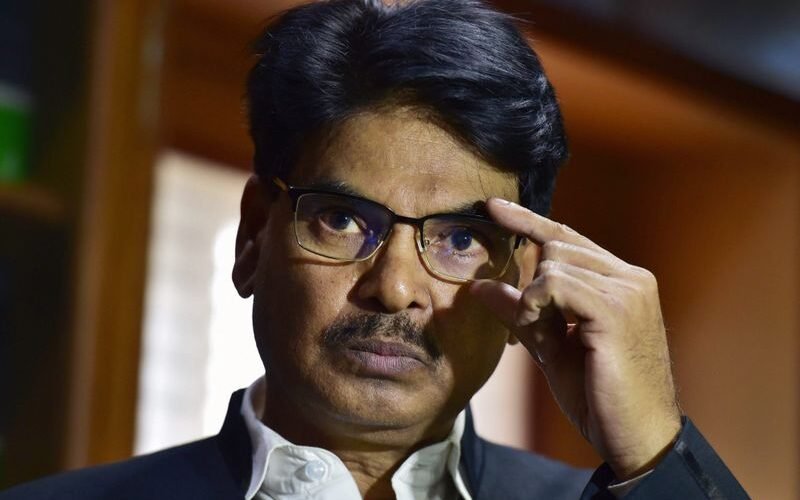
New Delhi (Gurpreet Singh): Bar Council of India Chairman Manan Kumar Mishra has issued a formal apology to law students across the country following severe backlash over a directive that briefly barred the 2026 graduating class of the NALSAR University of Law from enrolling as advocates. In a public statement issued on Independence Day, the regulatory chief expressed regret over the distress caused by the council’s recent communications and affirmed that the legitimate concerns of the student fraternity must be acknowledged with sensitivity.
The dispute originated after a section of students at NALSAR University of Law in Hyderabad formally objected to Chief Justice of India Surya Kant being invited as the chief guest for their upcoming convocation ceremony. In response to the students’ representation, the Bar Council of India issued a notification on August 13 directing all state bar councils to withhold advocate enrolments for the entire 2026 graduating batch while seeking an inquiry to identify individuals involved in the campaign.
The punitive move drew widespread condemnation from the legal community, student bar councils across national law universities, and the judiciary itself. Chief Justice Surya Kant strongly reprimanded the council for its intervention, stating that students have a constitutional right to engage in peaceful dissent and emphasizing that the regulatory body had unnecessarily interfered in a dialogue between the judiciary and students. Following the rebuke and mounting internal opposition, the council revoked the ban within hours and officially closed all disciplinary proceedings against the university.
In his reconciliatory statement, Mishra described law students as among the country’s most discerning young minds who are fully capable of independent critical thought. While affirming that peaceful protest remains an integral facet of a constitutional democracy, he appealed to the student community to evaluate institutional clarifications objectively and ensure that convocation participation remains an individual, uncompelled choice free from extraneous external pressures.
