

Calgary (Rajeev Sharma): Alberta is proposing new measures to strengthen safety standards at licensed child-care facilities and ensure parents receive timely information about serious incidents, regulatory violations and other concerns involving daycare providers.
The proposed changes are part of Bill 35, the Education and Childcare (Securing Parental Involvement) Statutes Amendment Act, 2026. If passed, the legislation would amend the Early Learning and Child Care Act, giving the provincial government additional authority to assess child-care licence applicants and monitor early childhood educator certifications.
Under the proposed rules, the province could examine an applicant’s professional experience, financial capacity and record of compliance with other regulatory authorities before granting or renewing a child-care licence. The government says the additional checks would help identify potential risks at an earlier stage.
The legislation would also give Alberta Education and Childcare greater control over early childhood educator certifications, including the ability to introduce expiry dates and renewal conditions. The move is intended to keep certification records current and improve oversight of the active workforce.
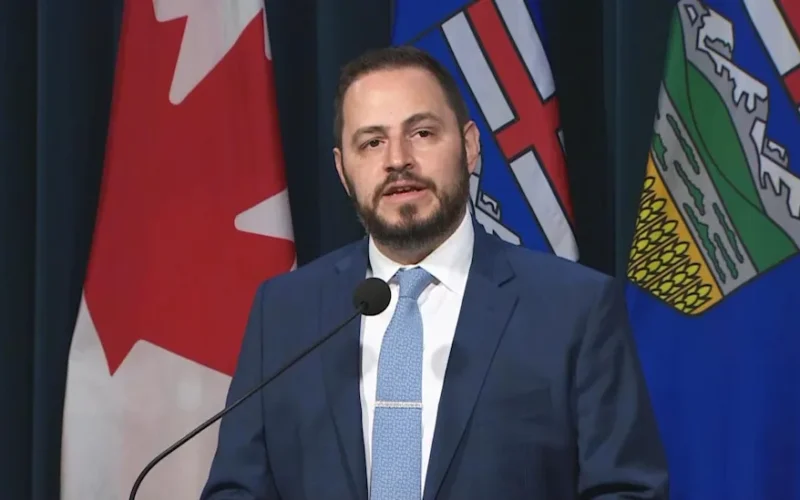
Education and Childcare Minister Demetrios Nicolaides said parents should be assured that their children are receiving safe and appropriate care. He said the proposed amendments would improve government oversight, strengthen the response to concerns and ensure families are provided with clear information when serious issues occur.
Daycares may have to disclose enforcement actions
A major part of the proposed legislation focuses on communication between child-care providers and families.
If approved, licensed facility-based and home-based operators would be required to notify all families about significant compliance concerns and enforcement measures. These could include administrative penalties, changes to a licence or conditions imposed on a provider’s licence.
The province’s child-care licensing team would also be able to instruct operators to inform all families when a ministry-approved safety plan is introduced following a critical incident. Such incidents could include allegations of child abuse or neglect that may involve criminal investigations.
Providers would be legally required to follow approved safety plans and make them accessible to parents. Although such plans are already used in Alberta, the proposed amendments would establish compliance with them as a legal obligation.
Government could notify parents directly
The proposed legislation would allow the provincial government to contact families directly about incidents, safety risks or regulatory issues if a child-care provider is unable or unwilling to issue the required notifications.
It would also permit virtual inspections or monitoring in limited situations where an in-person inspection cannot be carried out immediately.
Where a critical incident leads to a ministry-approved safety plan, information would have to be displayed at the child-care facility. Providers would also be required to communicate with families through channels such as email or mobile applications.
Parents whose children are known to have been directly affected would continue to receive separate notification as soon as possible.
Child-care operators welcome proposed measures
The proposals have drawn support from representatives of the child-care sector.
Robert Gare, president of Kepler Academy, said transparency, accountability and quality care are essential to maintaining trust with families. He described the proposed changes as an important step towards improving oversight, professional standards and child safety.
Lorissa Vriens, vice-president of Alberta Kids & Company, welcomed the proposed changes to early childhood educator certification. She said qualified educators are central to quality child care and reiterated the organization’s commitment to safe and high-quality services for children.
Privacy and investigations to be considered
The Alberta government said decisions about notifying families more broadly would be made after assessing the circumstances of each case. Authorities would also consider privacy protections and the possible impact of disclosures on ongoing investigations.
The government clarified that not every critical incident would automatically result in notification to all families. It will continue consulting legal experts and law enforcement agencies when determining how information should be shared.
If passed, the proposed amendments would expand the province’s oversight powers while placing additional responsibilities on licensed child-care providers to keep families informed about significant safety and compliance matters.
