

Calgary (Rajeev Sharma): The Alberta government is proposing changes to the province’s post-secondary education and professional regulatory frameworks through Bill 38, the Advanced Education Statutes Amendment Act, 2026. The proposed legislation aims to make tuition costs more predictable, establish common standards for institutional neutrality and freedom of expression, strengthen student conduct policies and simplify licensing requirements for certain engineering and geoscience professionals.
The bill would amend the Post-secondary Learning Act to introduce maximum tuition amounts for academic programmes, alongside new requirements governing institutional policies and student behaviour. It would also make changes to the Professional Governance Act to streamline the regulation of some professionals working in engineering and geoscience.
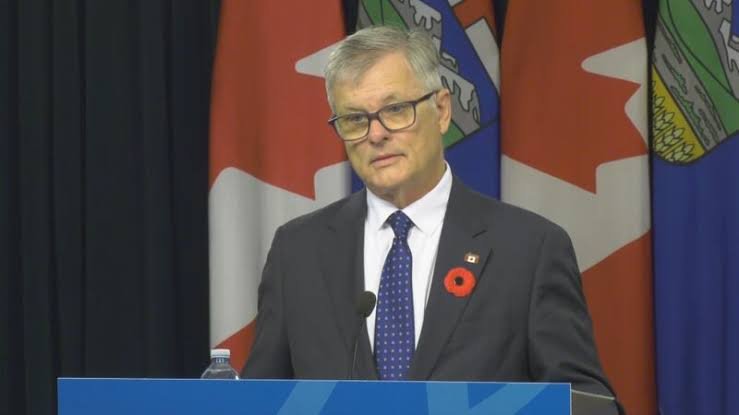
Advanced Education Minister Myles McDougall said the proposed legislation is intended to provide students with greater certainty about education costs while ensuring that post-secondary campuses remain places where different viewpoints can be discussed openly.
He added that the changes would also simplify the licensing process for engineering and geoscience professionals contributing to Alberta’s development.
New framework to make tuition costs predictable
Under Bill 38, Alberta would replace its existing tuition growth cap system with maximum tuition amounts for individual programmes or groups of programmes. Post-secondary institutions would retain the authority to determine their tuition fees, provided they remain within the prescribed limits.
The proposed framework is intended to bring tuition costs closer to the actual expenses involved in delivering different academic programmes while helping students and families plan their education budgets.
As part of the transition, tuition fees for existing domestic students would be protected from increases exceeding two per cent during the 2027-28 academic year.
Institutional neutrality and freedom of expression
The legislation would also introduce minimum standards for institutional neutrality and freedom of expression policies at public post-secondary institutions and independent academic institutions governed by the Post-secondary Learning Act.
Institutional neutrality would apply to official statements made by institutions on social and political matters that fall outside their educational, research and institutional responsibilities.
However, the proposed provisions would not restrict academic freedom or prevent students, faculty members and staff from expressing their lawful views.
John Alho, executive director of the Alberta Post-Secondary Network (APSN), said universities and other post-secondary institutions must provide an environment that encourages diverse perspectives, independent thinking and open discussion. He highlighted the importance of academic freedom and impartiality in maintaining opportunities for meaningful debate within academic communities.
Common standards proposed for student conduct
Bill 38 also seeks to establish clearer and more consistent expectations regarding student behaviour and disciplinary procedures.
A government review conducted in 2025 examined nearly 200 student conduct policies and identified differences in how institutions framed and implemented their rules.
Under the proposed amendments, the government would be authorised to establish minimum requirements through regulations. These standards would focus on making student rules accessible and understandable while ensuring disciplinary procedures are fair, transparent and timely, with appropriate privacy safeguards.
Individual institutions would continue to develop their own codes of conduct and remain responsible for handling specific student cases.
Changes to engineering and geoscience licensing
Another key component of the legislation concerns professional regulation. The proposed amendments to the Professional Governance Act would simplify licensing arrangements for professional technologists and professional licensees involved in specialised engineering and geoscience work.
Following requests from the Association of Professional Engineers and Geoscientists of Alberta (APEGA) and the Association of Science and Engineering Technology Professionals of Alberta (ASET), both groups would come under APEGA’s regulatory oversight.
The legislation would also introduce minor technical adjustments to ensure the Professional Governance Act operates as intended.
Through Bill 38, the Alberta government is proposing changes across tuition regulation, campus governance, student accountability and professional licensing, with implementation dependent on the legislative process.
