

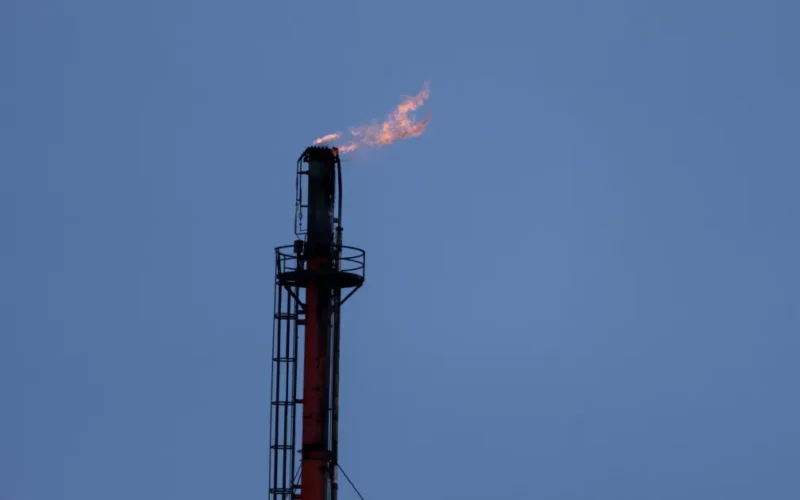
Calgary (Rajeev Sharma): Alberta has reduced methane emissions by 62 per cent, putting the province closer to its target of cutting emissions by 75 per cent by 2035, according to updated figures released by the provincial government.
The latest data incorporates improved measurement methods, advanced technologies and more direct reporting from industry. The provincial government says the reductions have been achieved while energy production continues to expand.
Environment and Protected Areas Minister Grant Hunter is set to highlight Alberta’s progress on November 12 during Methane Day at the Canadian Pavilion at COP31 in Antalya, Türkiye.
“Alberta is not waiting for someone else to solve the methane challenge. We are doing it faster than promised while producing more of the energy the world needs,” Hunter said. He credited technological innovation, provincial regulations and the efforts of energy producers for the progress, adding that the province would continue working towards its 2035 objective.
Provincial approach backed by technology investments
Alberta’s methane reduction strategy combines provincial regulatory requirements with industry-led innovation and incentives for early action. Since 2019, the province has invested approximately $172 million in technologies designed to reduce methane emissions.
The government’s Emission Offset System has also supported the installation of more than 61,000 methane-reducing devices. Officials say improved monitoring and direct reporting by companies have helped provide a clearer picture of emissions and the impact of reduction measures.
Canada-Alberta agreement outlines regulatory path
The province’s progress also forms part of the November 2025 Canada-Alberta Memorandum of Understanding (MOU). Under the agreement, the two governments committed to pursuing methane regulatory equivalency, recognising Alberta’s performance-based regulatory framework.
A subsequent Agreement-in-Principle signed in March 2026 established a pathway to reduce methane emissions from the oil and gas sector by 75 per cent below 2014 levels by 2035.
With the reported reduction already standing at 62 per cent, Alberta says it is on course to meet the target while retaining provincial oversight of methane regulations and avoiding overlapping requirements.
The provincial government is presenting its approach at COP31 as an example of how technology, measurement improvements and industry participation can contribute to emissions reductions alongside continued energy production.
