

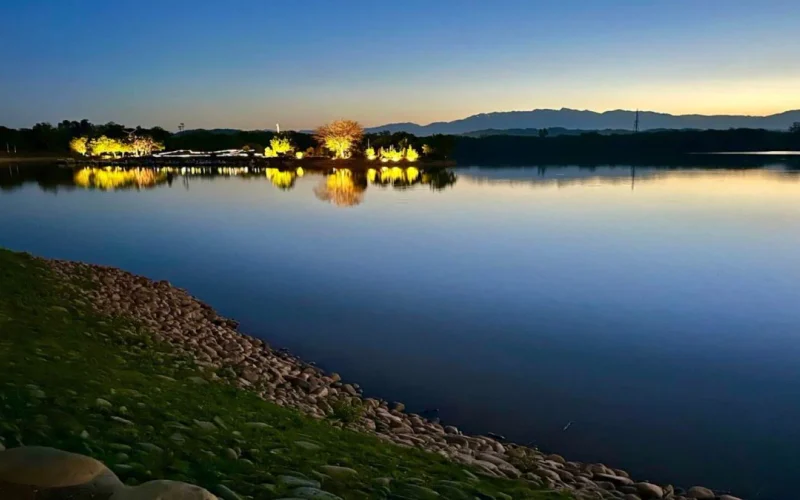
Chandigarh (Gurpreet Singh): India’s network of internationally recognised wetlands has expanded to 103 sites with the addition of Sukhna Wetland in Chandigarh and Sauj Jheel in Uttar Pradesh to the Ramsar List. The announcement was made by Union Environment Minister Bhupender Yadav on October 15, 2026, marking a new milestone in the country’s wetland conservation efforts.
The two wetlands have been recognised for their ecological importance, including their role in supporting waterbirds, maintaining natural habitats and contributing to the wider environment. The announcement was also confirmed by the Convention on Wetlands, the international body associated with the Ramsar Convention.
The designation brings international attention to the ecological value of both sites and highlights the need to protect their habitats from environmental pressures.
Why Has Sukhna Lake In Chandigarh Received Ramsar Status?
Sukhna Wetland, located in Chandigarh near the foothills of the Outer Himalayas, is an important water body that supports a variety of habitats and wildlife. Its landscape includes open water, vegetation along the shoreline, scrub and forest areas.
According to the Convention on Wetlands, the site plays an important role in regulating sediment and water flows from its surrounding catchment. Its ecological value also comes from the habitat it provides for resident and migratory waterbirds.
Sukhna Wetland lies along the Central Asian Flyway, a major migratory route used by birds travelling between breeding and wintering grounds. The wetland offers feeding, breeding, resting and wintering habitats for different species.
Among the notable birds associated with the site are the vulnerable common pochard and the endangered Pallas’s fish eagle. The wetland’s shallow shoreline habitats also support reptiles, including the endangered black pond turtle.
The Ramsar designation recognises these ecological functions while bringing greater attention to conservation challenges. These include sediment flowing into the wetland from the surrounding catchment and the spread of invasive plant species. Management measures include soil and moisture conservation work to reduce erosion and periodic removal of invasive vegetation.
What Makes Sauj Jheel In Uttar Pradesh Important?
Sauj Jheel is a shallow lake surrounded by agricultural land in the floodplain of the Ganga River in Uttar Pradesh. It forms part of a wider network of wetlands that contribute to ecological connectivity in the region.
The lake supports wetland vegetation, including sacred lotus and wild sugarcane. These plants and the surrounding habitats provide shelter, food and breeding areas for wildlife.
The Convention on Wetlands identifies Sauj Jheel as particularly important for waterbirds. The site regularly supports more than 30,000 individual waterbirds and has also been recognised as an Important Bird and Biodiversity Area by BirdLife International.
Bird species recorded at the wetland include the vulnerable sarus crane and the greater spotted eagle. Its location near Saman Bird Sanctuary, another Ramsar site, adds to its importance within the wider wetland landscape.
Suggested management measures for Sauj Jheel include seasonal restrictions on fishing, limits on the use of fine-mesh fishing nets and controlling cattle access to sensitive areas. Such measures can help reduce pressure on the wetland and protect the habitats on which birds and other wildlife depend. <Cite refs={[“turn565546search0”]}/>
What Is A Ramsar Site?
Ramsar sites are wetlands recognised as being of international importance under the Ramsar Convention, an international treaty adopted in 1971 in the Iranian city of Ramsar.
The convention promotes the conservation and wise use of wetlands. These ecosystems can support biodiversity, regulate water flows, provide habitats for birds and other wildlife, and sustain local livelihoods.
Wetlands vary considerably in their form and ecological role. They can include lakes, marshes, floodplains, mangroves and other areas where water shapes the natural environment.
Recognition under the convention draws attention to a site’s international ecological significance. It also places emphasis on maintaining the characteristics that make the wetland important through appropriate conservation and management.
India’s Ramsar Network Reaches 103 Sites
The addition of Sukhna Wetland and Sauj Jheel takes India’s Ramsar site count to 103. The two sites have been assigned Ramsar List numbers 2602 and 2603, respectively, according to the Convention on Wetlands.
The announcement brings recognition to Chandigarh’s Sukhna Wetland and Uttar Pradesh’s Sauj Jheel for their role in supporting wildlife and maintaining important wetland habitats.
Their inclusion also highlights the work required beyond formal designation. Protecting water quality, managing surrounding land use, controlling invasive species and safeguarding habitats remain important for preserving wetland ecosystems over the long term.
The latest additions expand India’s internationally recognised wetland network while drawing attention to the conservation needs of two ecologically significant sites.
