

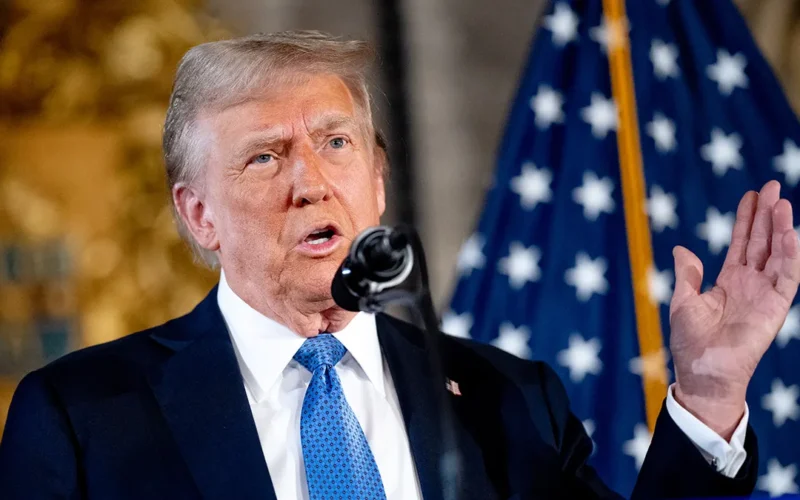
Washington DC (Rajeev Sharma): United States President Donald Trump has turned down a diplomatic proposal put forward by Iran that sought to reopen the vital Strait of Hormuz and enforce an immediate regional ceasefire within seven days, signalling to close advisers that American airstrikes could recommence following the upcoming November midterms. The development unfolded on the margins of the United Nations General Assembly in New York, where Iranian Foreign Minister Abbas Araqchi stated that Tehran had presented a comprehensive resolution framework to Washington utilizing Qatari intermediaries to facilitate the exchange.
Tehran’s proposal called for a total cessation of hostilities across all active fronts, including southern Lebanon, alongside the restoration of unhindered passage through the critical maritime corridor within a week. In return, the Iranian government sought the removal of the United States naval blockade targeting its domestic ports, an end to punitive sanctions on petroleum shipments, and the release of frozen overseas capital. Despite reports from third-party mediators pointing to constructive dialogue during recent engagements, the White House remains deeply unconvinced that Tehran will honor core American demands, with the president anticipating that a renewed bombing campaign is the more probable scenario.
The confrontation began seven months ago in late February following coordinated military strikes carried out by the United States and Israel, dealing significant blows to the Iranian economy and weakening conventional defense capabilities across the country. In response, allied regional groups widened the geographic footprint of the conflict, launching drone and missile salvos at energy pipelines in Saudi Arabia and Gulf shipping lanes, while Israeli ground forces and Hezbollah engaged in cross-border battles. The ongoing disruption to oil transit across the Hormuz corridor has rattled global crude markets and worsened an escalating humanitarian catastrophe within Yemen.
In light of the mounting regional instability, regional defense ties have tightened considerably. High-ranking defense figures representing Turkey, Pakistan, and Saudi Arabia convened in Riyadh on Friday to coordinate joint intelligence sharing, synchronize armed forces, and assess overall regional security under the Mecca Joint Defense Agreement. With negotiations currently deadlocked and key American legislative elections rapidly approaching, the breakdown of the seven-day diplomatic opening heightens the risk of broader direct warfare in the region.
